


Are you choosing a light or dark LVT floor? Here’s how color affects your space
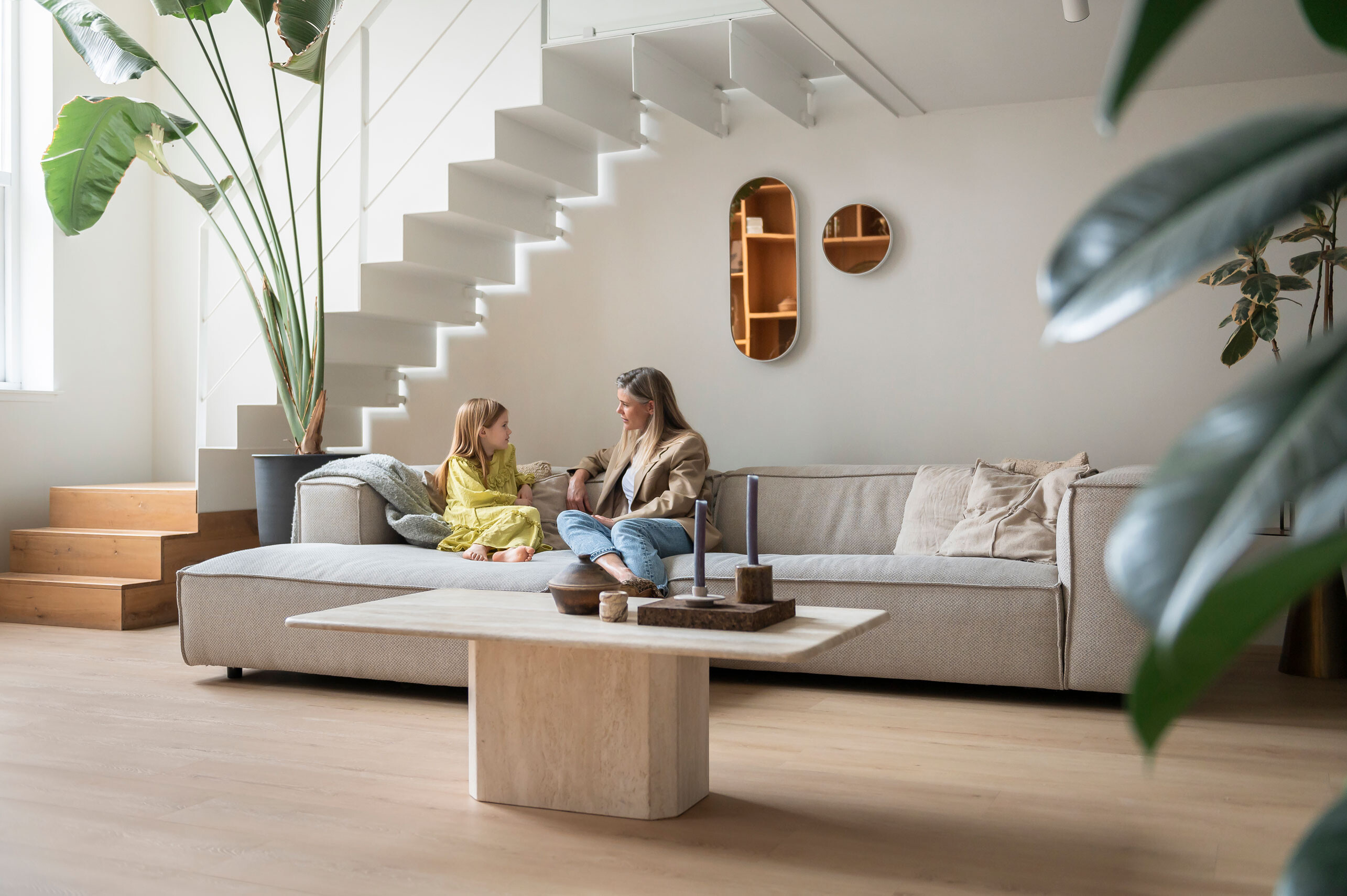
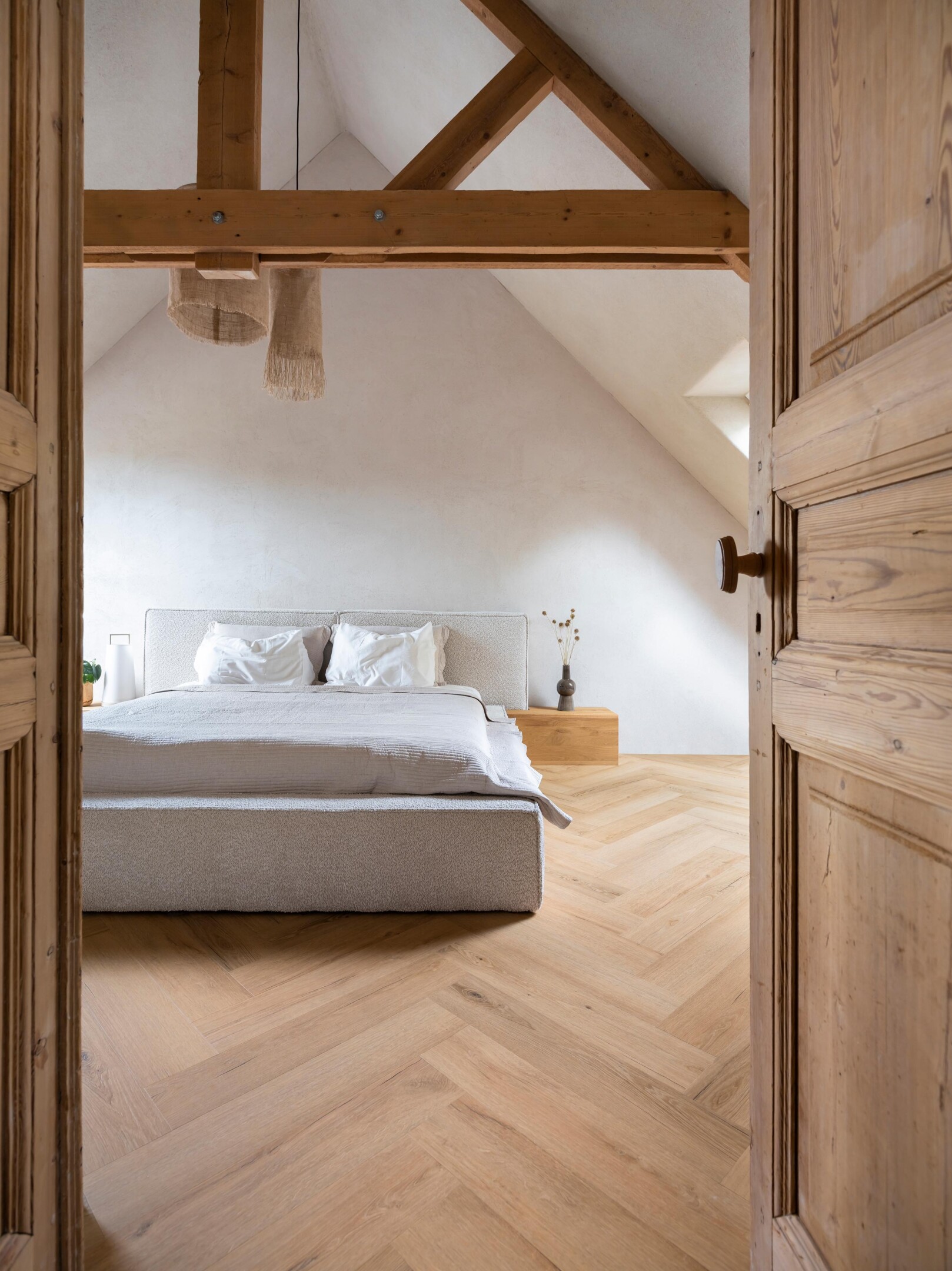
The color of your floor affects more than just the mood. It influences how big, deep, or open a room feels. A light floor reflects light and makes rooms appear larger, while a dark floor absorbs light, adding depth and warmth.
Color influences the perception of space
When light falls on a floor, it has an immediate effect on how the space looks:
- A light LVT floor directs daylight further into the room, making the walls appear farther apart.
- A dark LVT floor absorbs the light, deepening shadows and making the space feel warmer and more intimate.
The effect is purely visual and has little to do with interior style. It’s all about light, reflection, and shadow.
The effect of light LVT floors
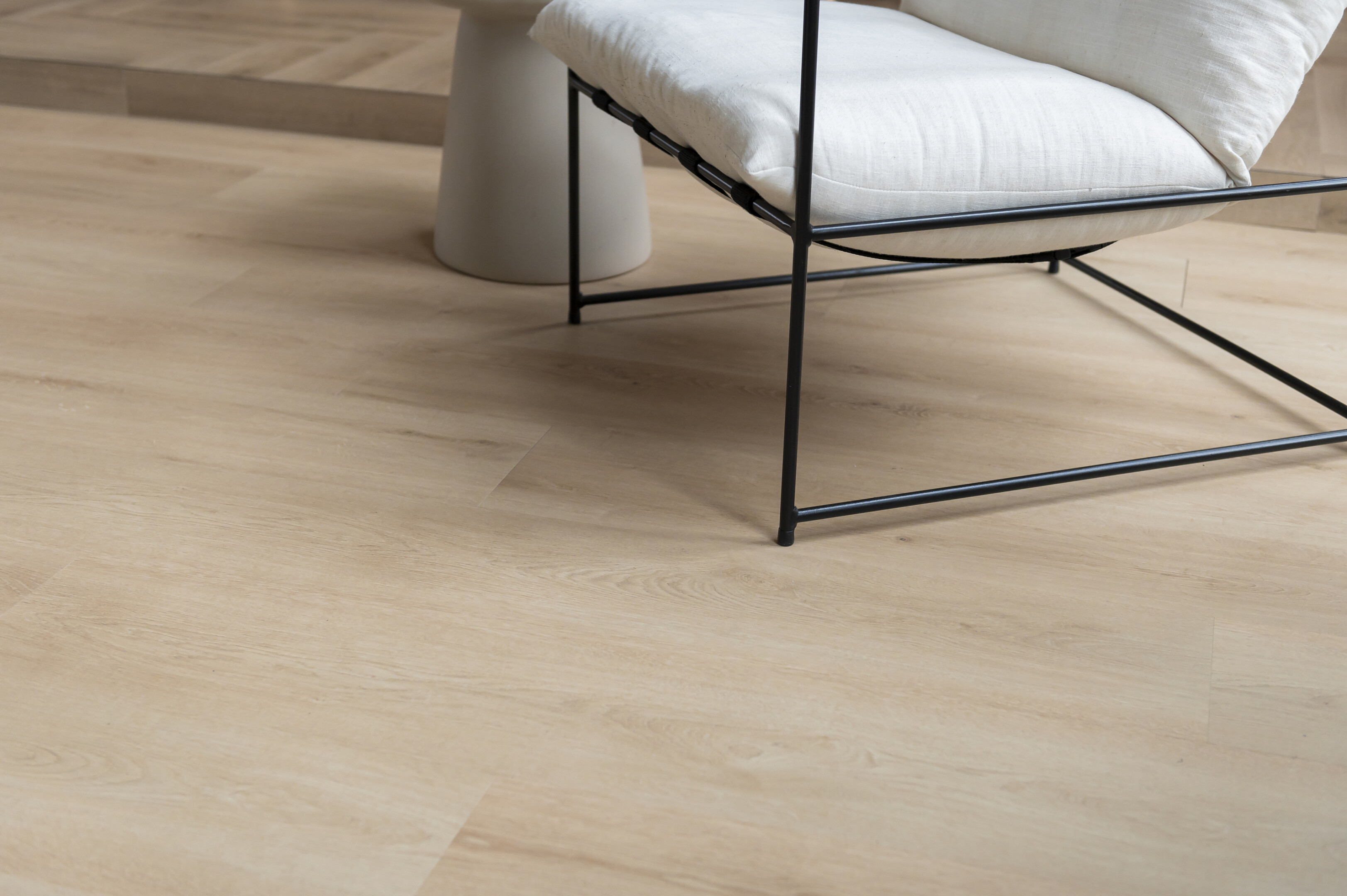
A light floor makes a space feel more open and wider. This is especially noticeable when daylight enters from a single direction.
- A light floor reflects the light and spreads it throughout the room.
- Sightlines appear longer, particularly in narrow living rooms or hallways.
- The floor feels fresher and calmer because there are fewer visible shadows.
- Furniture seems to lift slightly off the floor, giving the room a sense of airiness.
For example, in a living room with low windows, light enters the room horizontally. A light floor captures this light and visually pushes it further into the space, making the room appear larger than it actually is.
How dark LVT floors work
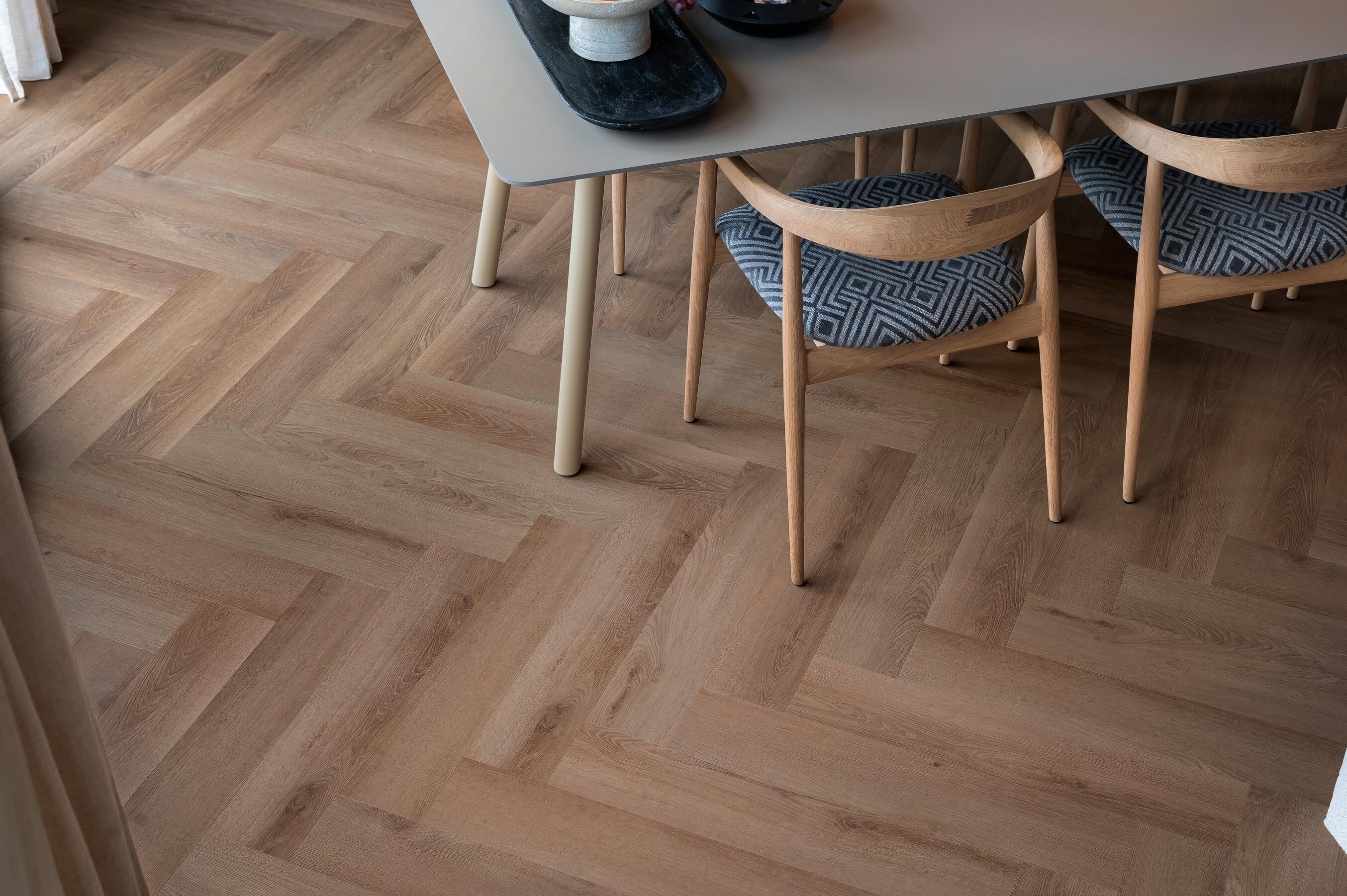
A dark floor creates a completely different effect. Instead of reflecting light, the floor absorbs it.
- Shadows become deeper, adding depth and a sense of luxury.
- The space feels warmer and more defined.
- Dark floors provide strong contrast with light-colored furniture and walls.
- Details such as baseboards, textures, and grain become more noticeable.
For example, in a kitchen with plenty of natural light, a dark floor takes on a rich, warm tone. Cabinet fronts stand out more, especially if they are light in color.
Room-specific examples

Living room
- Light floor: Opens up the seating area and makes the room feel wider.
- Dark floor: Adds warmth and makes a large living room feel cozier.
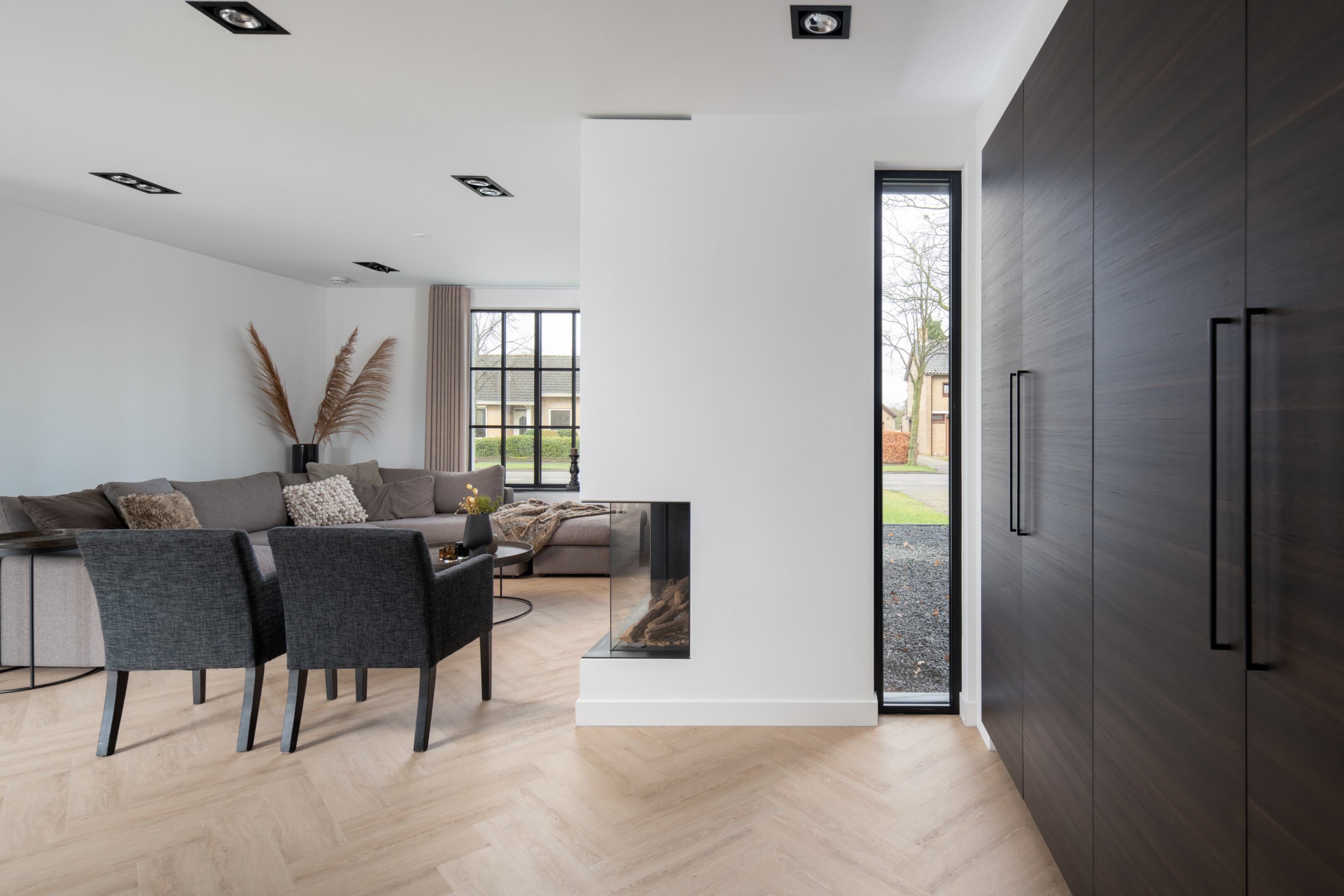
Kitchen
- Light floor: Fresh and bright, ideal with dark kitchen cabinets.
- Dark floor: Luxurious appearance, especially in rooms with plenty of natural light.
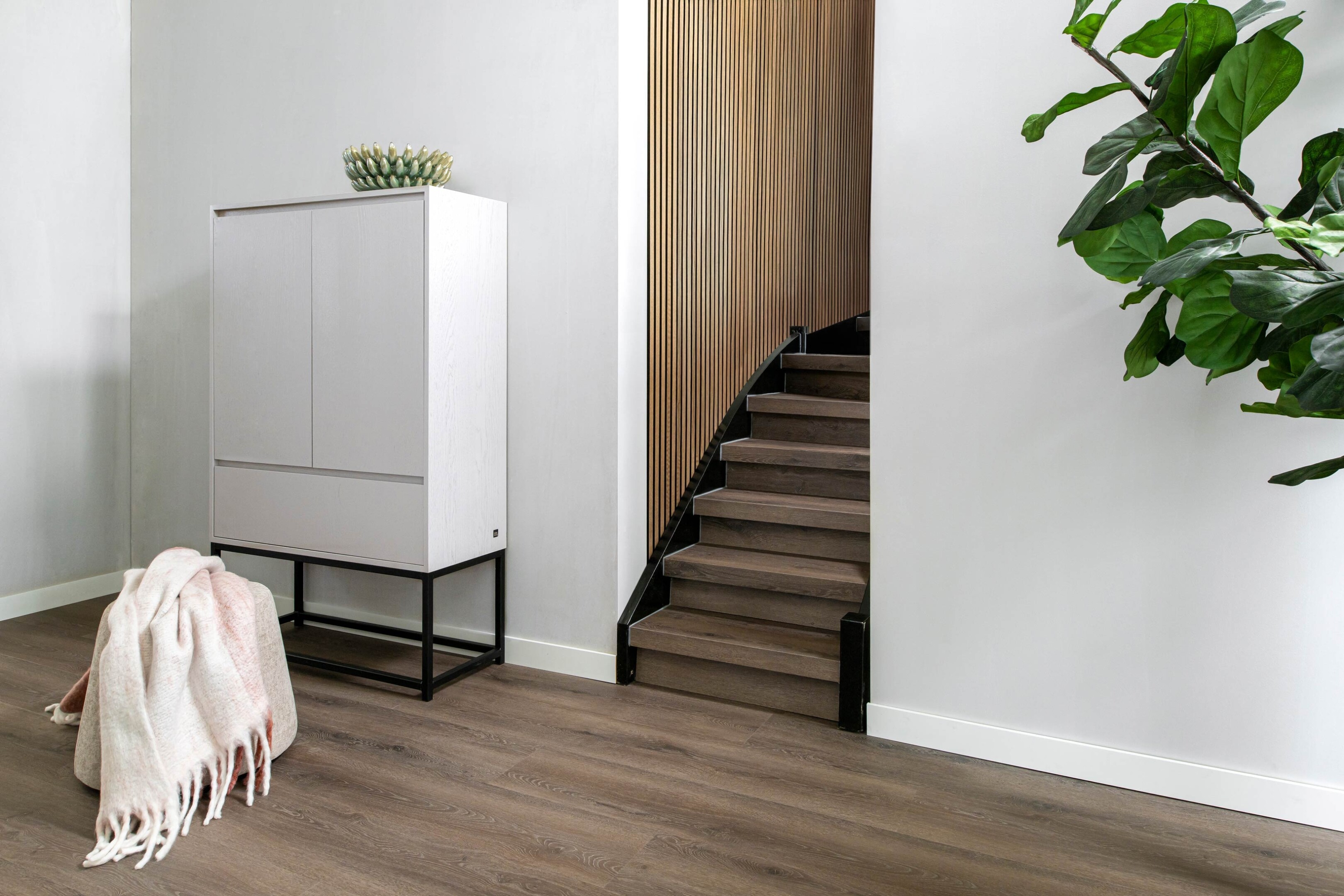
Entrance / bedroom
- Light floor: Makes a small hallway appear longer and brings calm to the bedroom.
- Dark floor: Creates a strong first impression and gives the bedroom a cozy atmosphere with warm light.
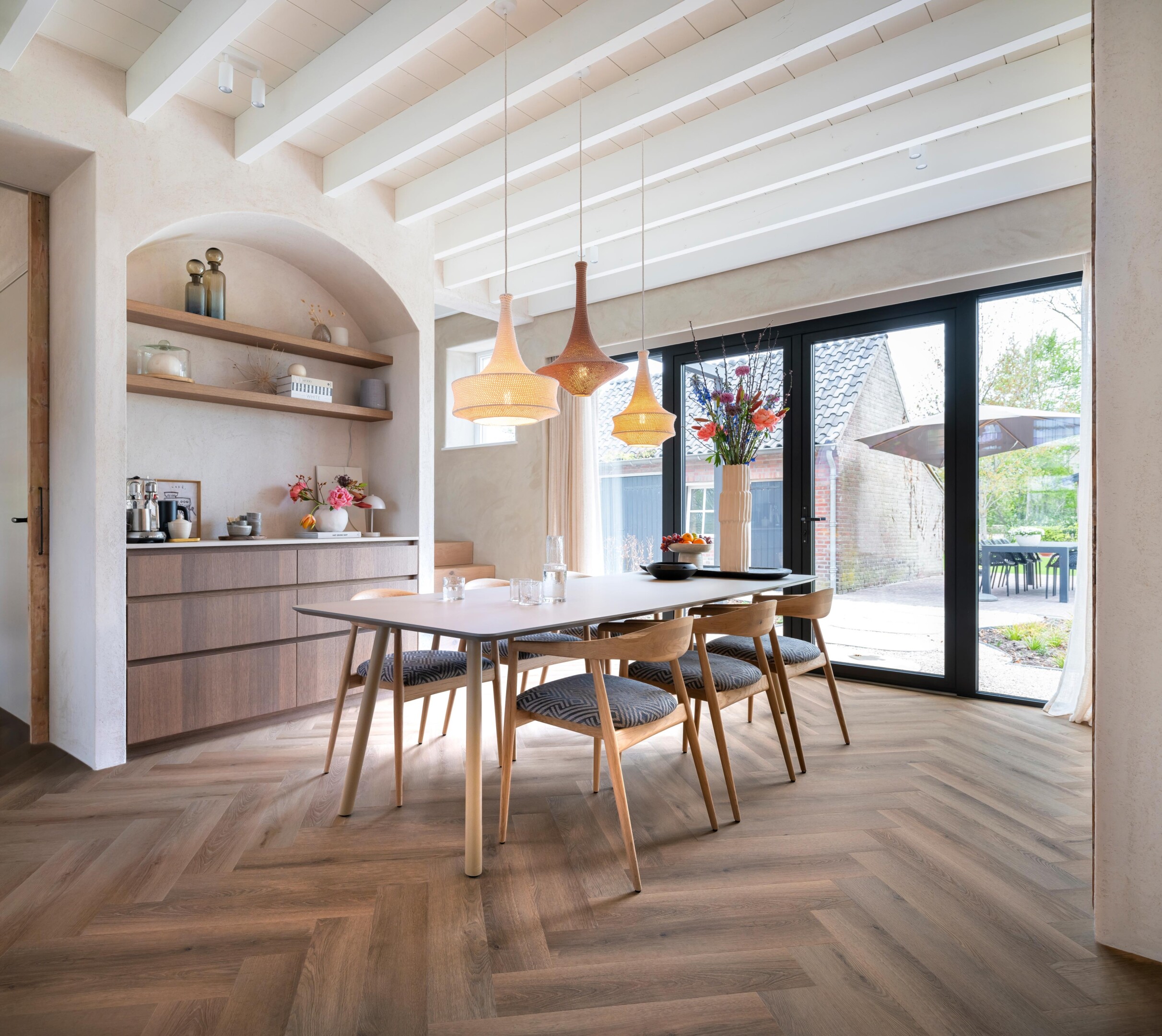
When color makes little difference
Sometimes the difference between light and dark is smaller than you think, especially when:
- The room has many windows
- Light comes from multiple directions
- The walls are very light
- The space is open (living room + kitchen)
- Mirrors and glass further distribute the light
In these situations, the floor is less noticeable as a “space-defining” element because the light is already doing much of the work.

