


Click or glue-down LVT: Which installation method is best?
When you choose a PVC floor, the next question naturally arises: will you go for a click-lock floor or a glued-down floor? Both methods have their advantages, but which one suits your home and your situation best?
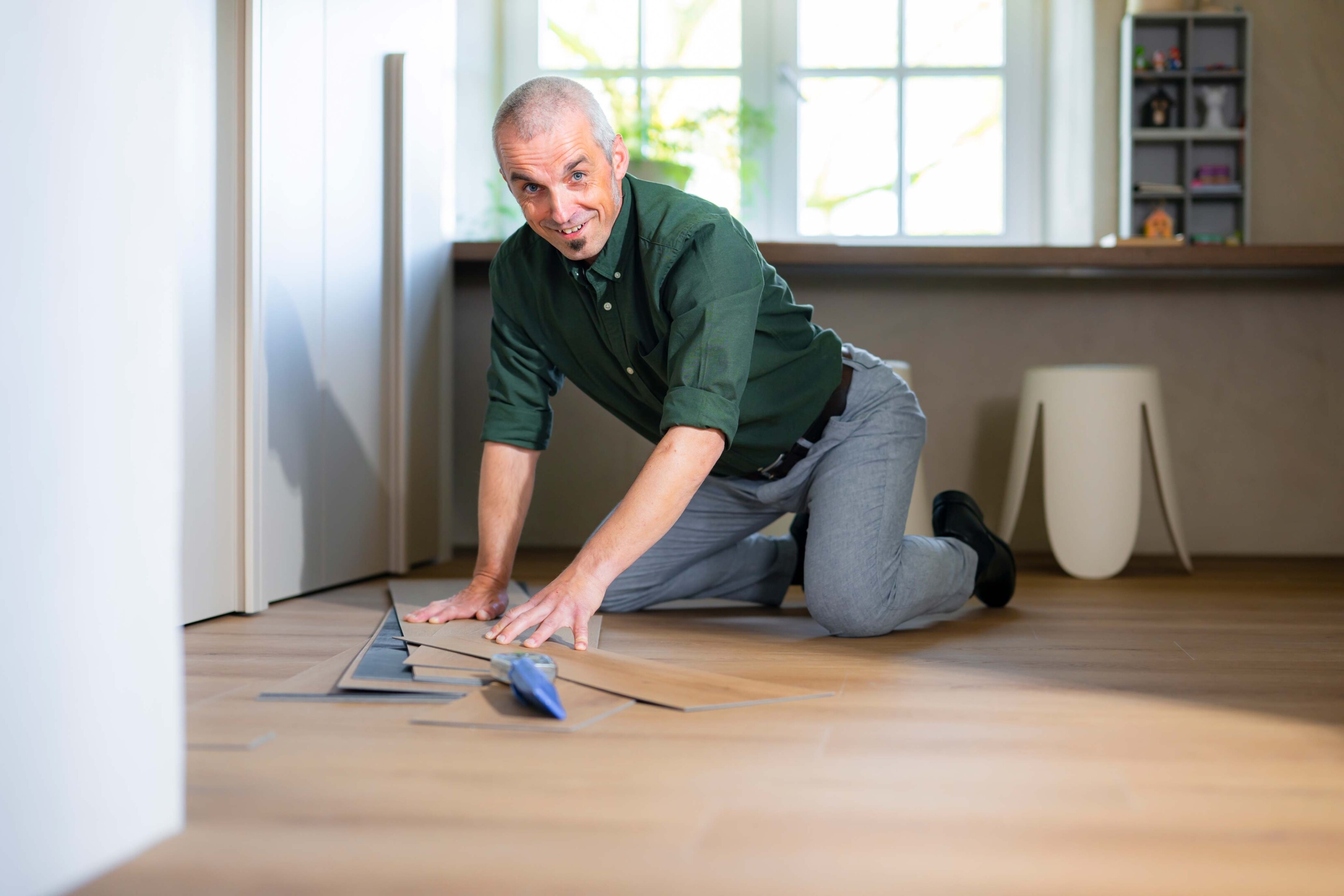
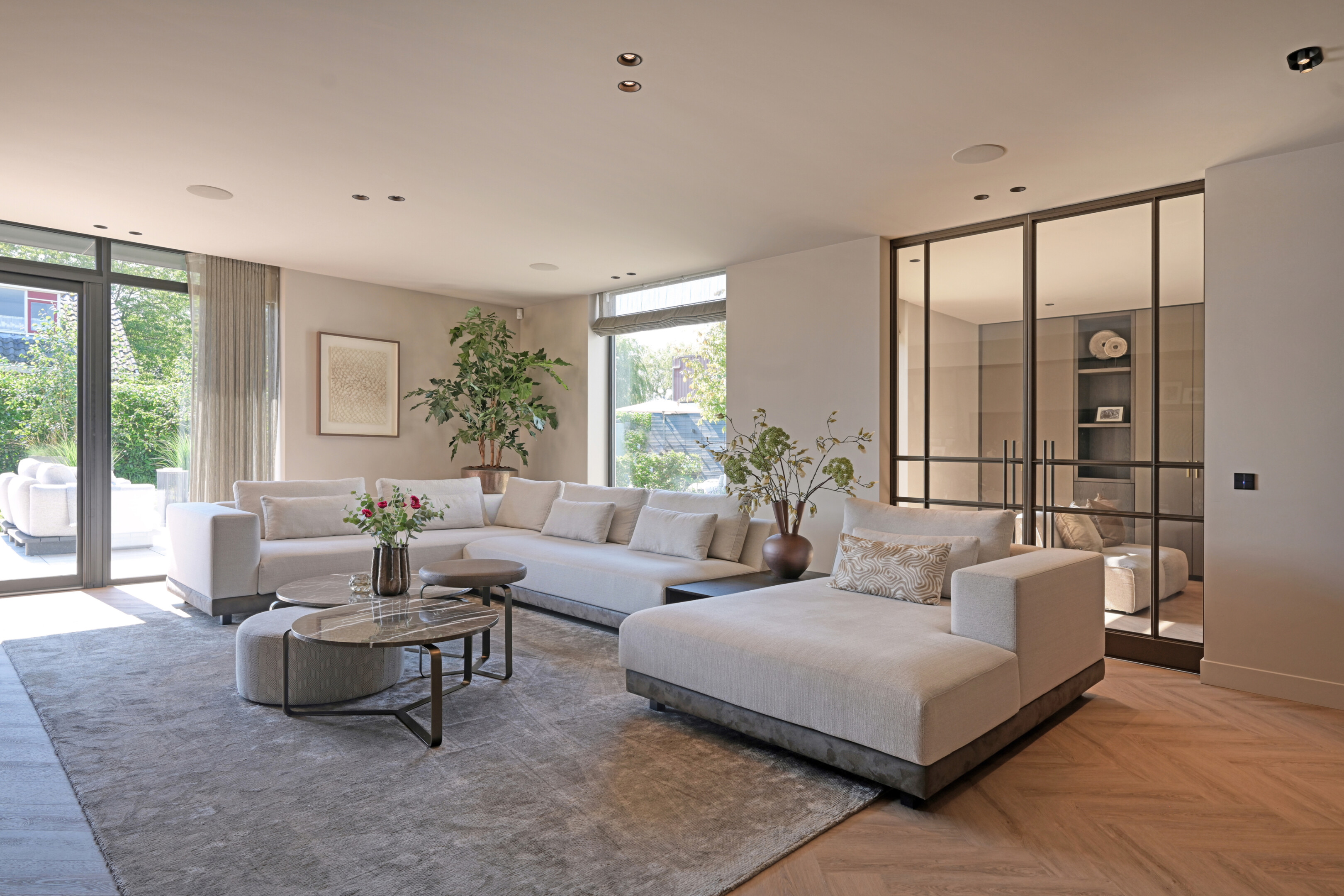
Why your home situation makes the difference
An LVT floor works best when the installation method matches the subfloor. The foundation determines how smooth, quiet, and comfortable the floor will feel. Both click and glue-down perform excellently, but each in its own context.
- During a renovation, you may have existing floors or minor unevenness.
- In new-build homes, the base is often perfectly flat.
- Apartments sometimes have sound requirements.
- With underfloor heating, good heat transfer is important.
When click LVT is the right choice
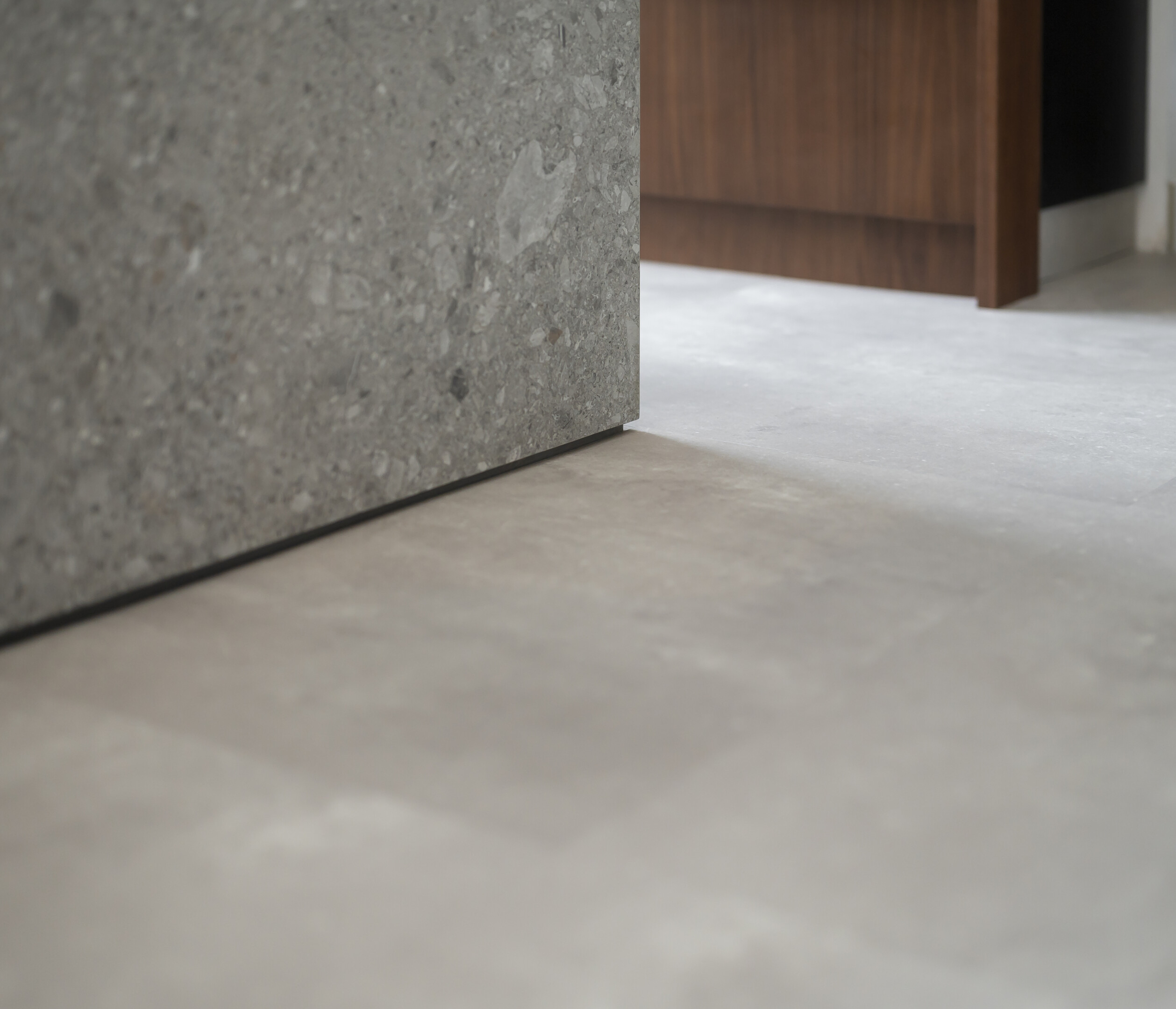
Stable click system with an integrated underlay
This makes this option suitable for situations where sound, comfort, and renovation are important.
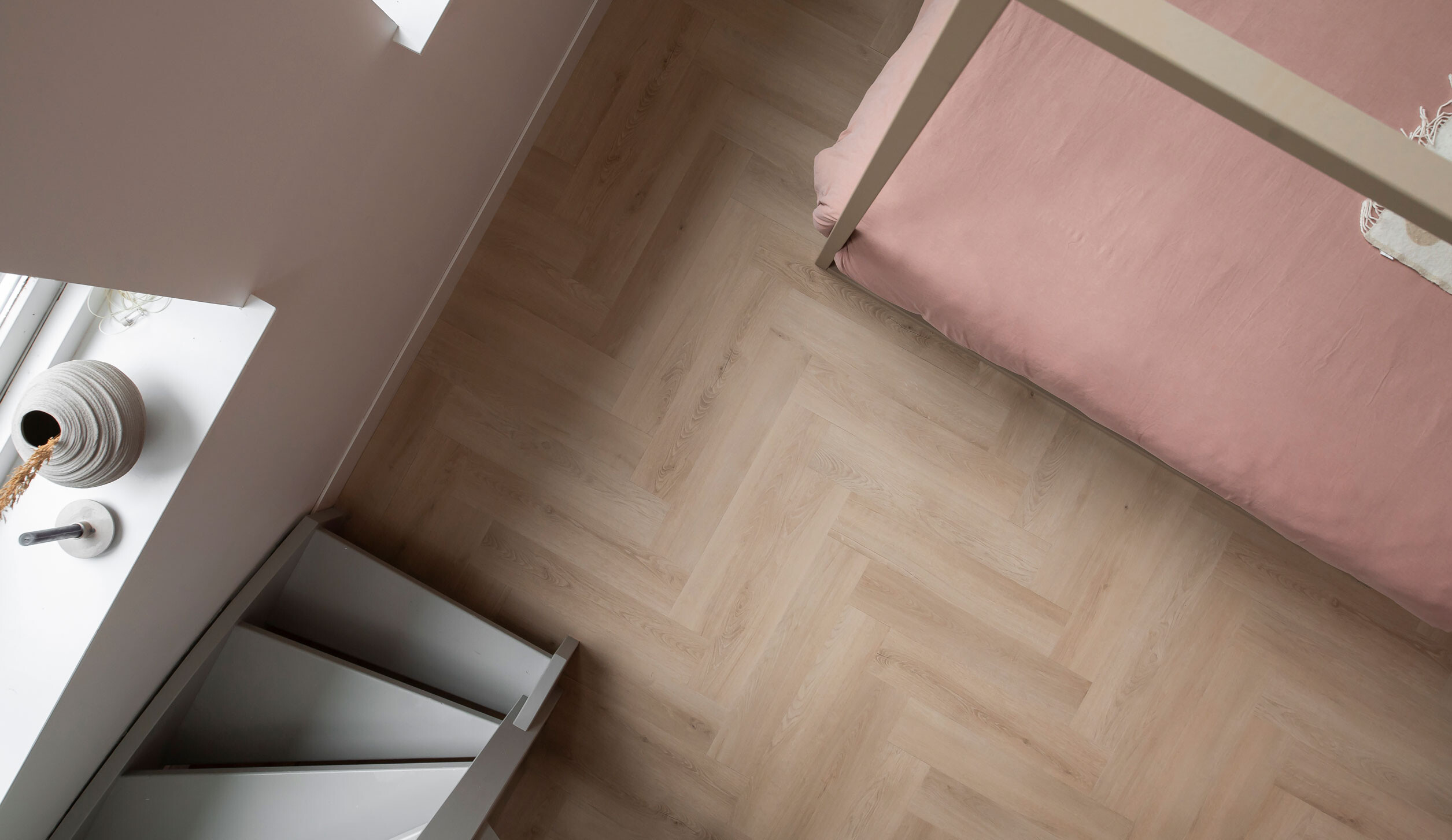
Comfort in apartments
The built-in underlay reduces impact noise. This means less echo in the room and neighbors below hear footsteps less easily.
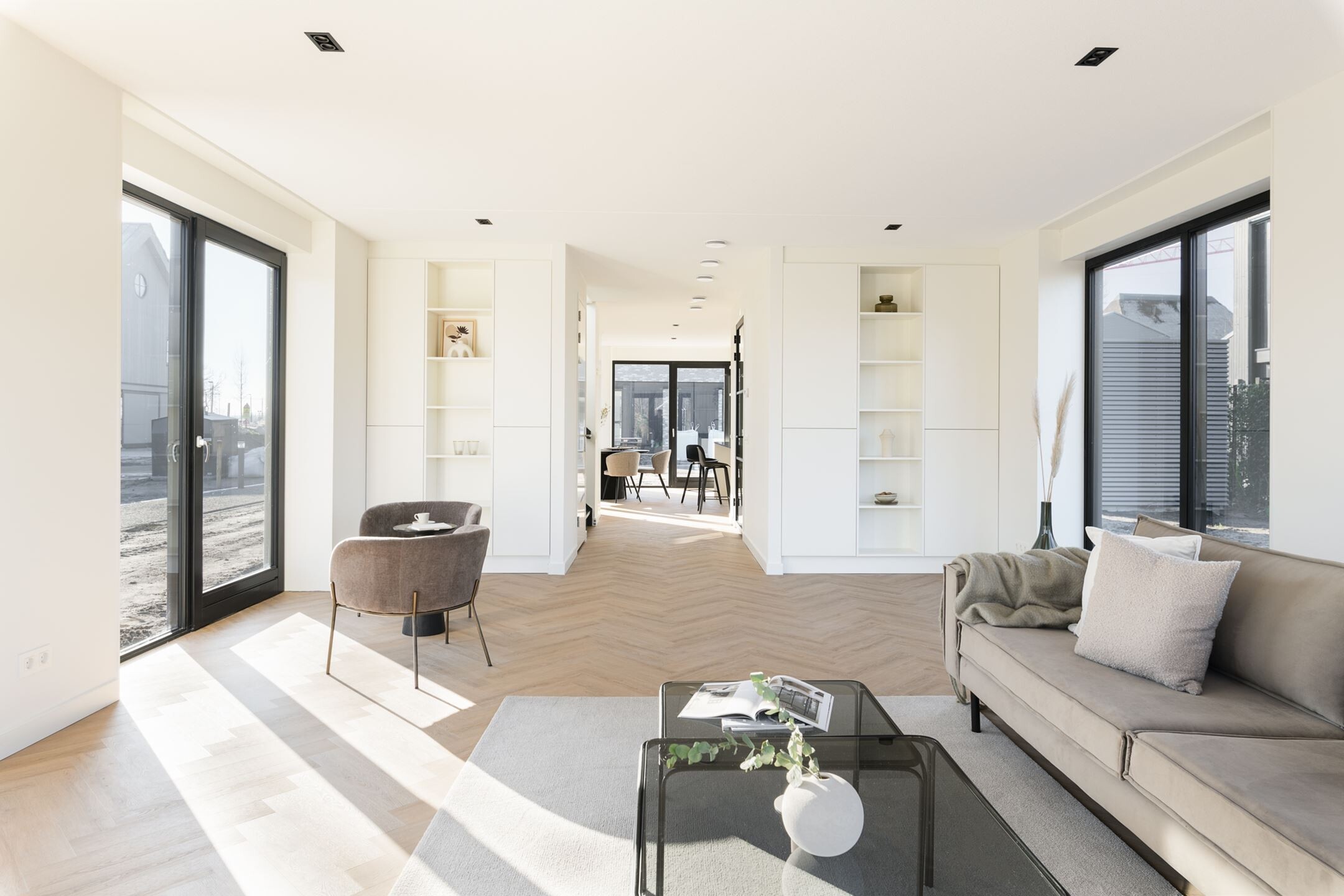
When glue-down LVT is the best option
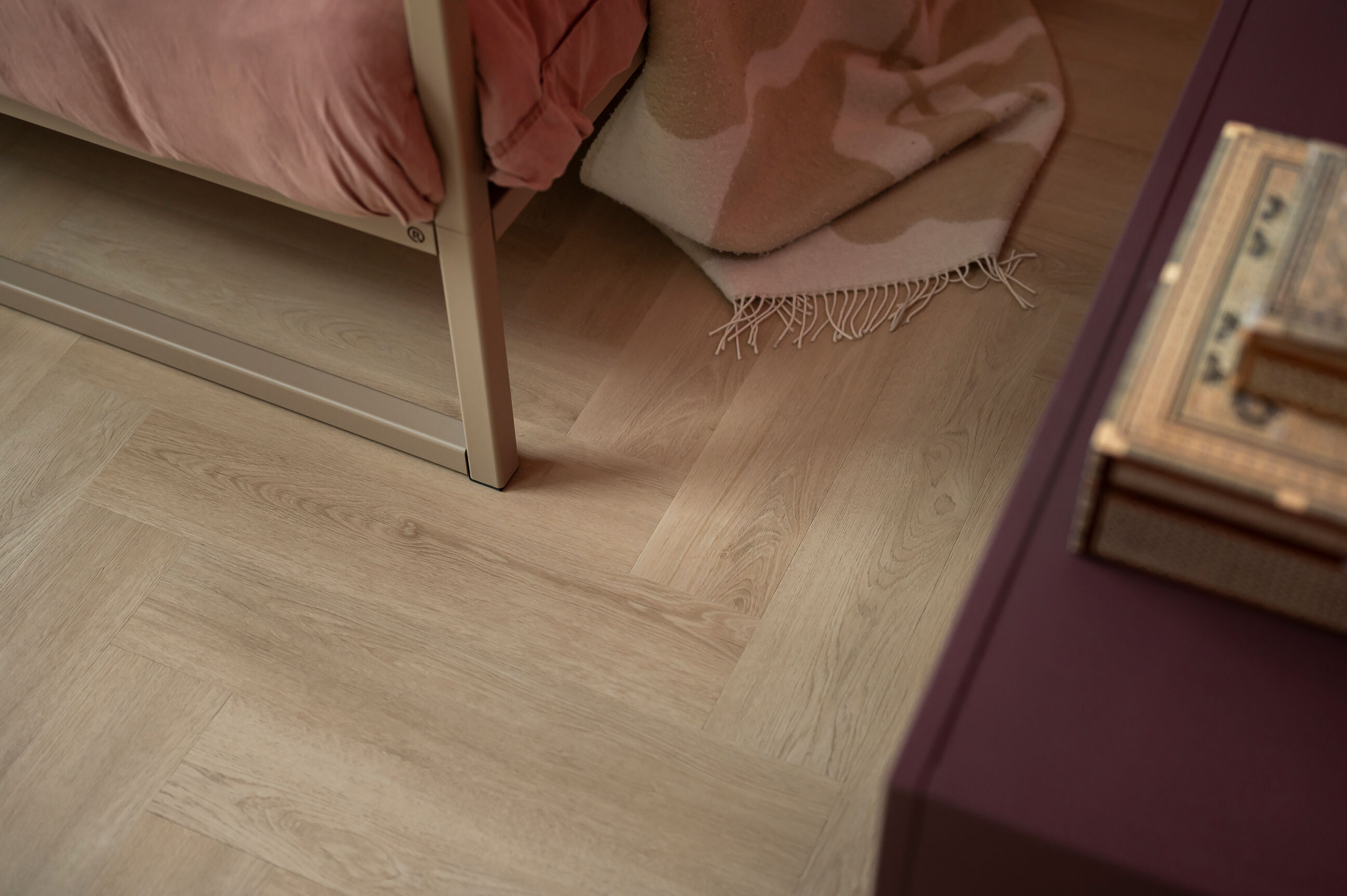
Seamless finish
Each plank lies directly on the subfloor. There are no raised edges or slight height differences. The surface reads as a single, continuous plane, which is especially noticeable with herringbone patterns.
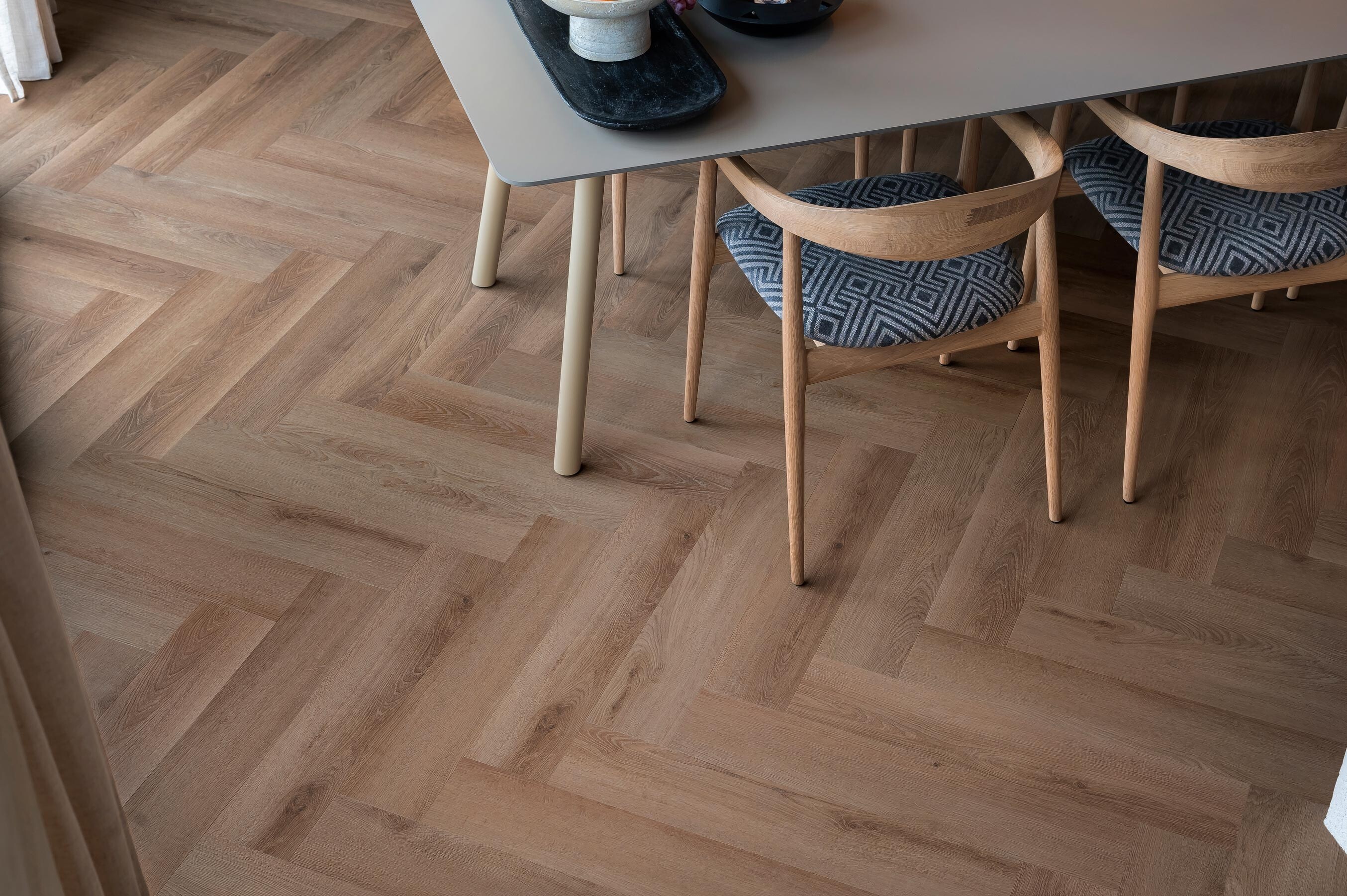
Even heat distribution with underfloor heating
Glue-down LVT sits directly on the subfloor. This allows the heat to distribute evenly through the planks, making the floor feel uniformly warm.
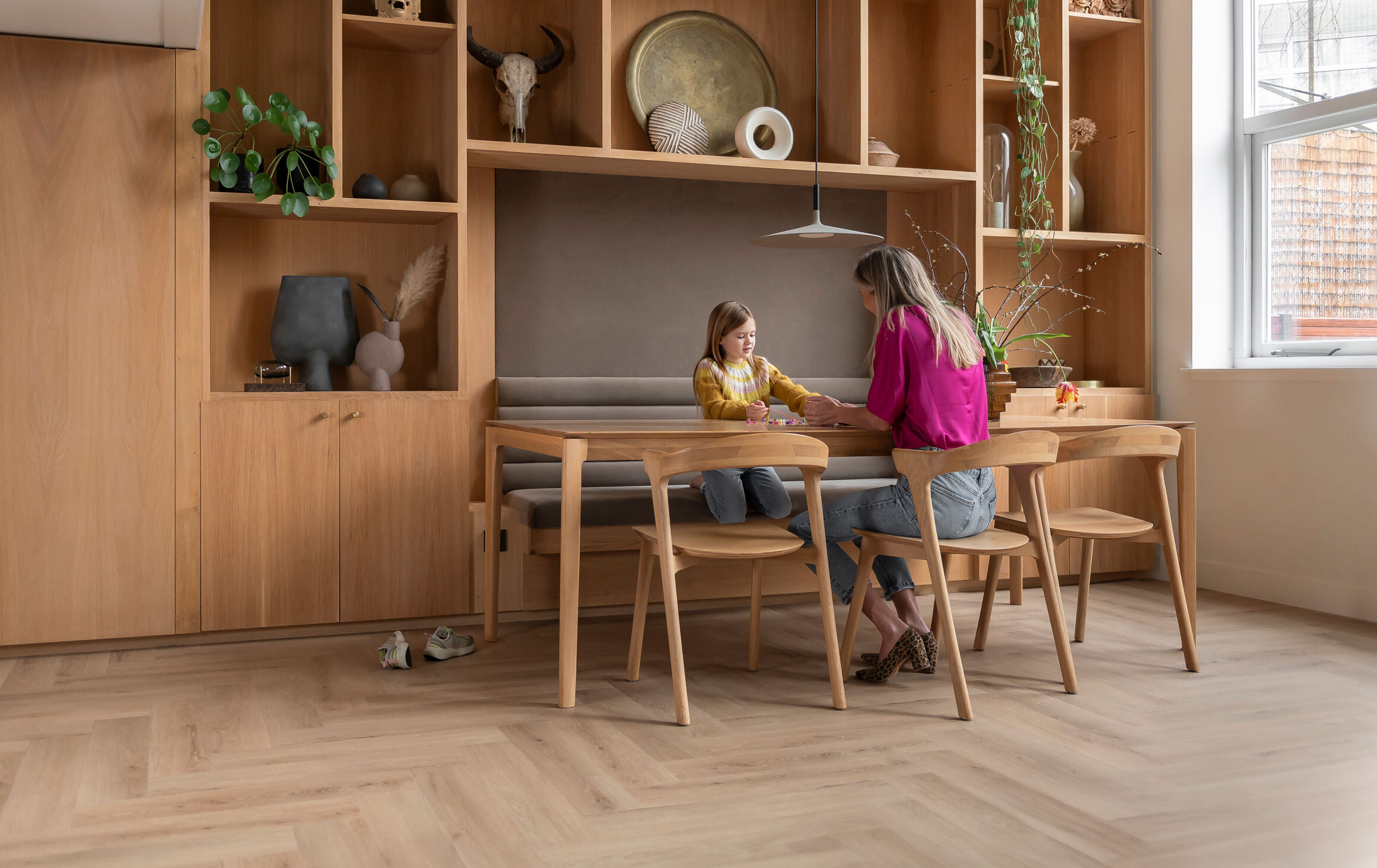
Which type suits your situation?
The overview below provides guidance. The final choice always depends on the subfloor and the room. These are common options, but not strict rules. The condition of the subfloor ultimately determines what works best.
Click LVT:
- Apartment with sound requirements (needs a damping underlay)
- Renovation with an existing subfloor (tolerates slight unevenness)
- Upper floor or bedroom (softer and quieter)
Glue-down LVT:
- Sleek interior or herringbone pattern (floor reads as one continuous surface)
- Home with underfloor heating (ensures even heat distribution)
- Heavily used living space (glued down and solid underfoot)

