


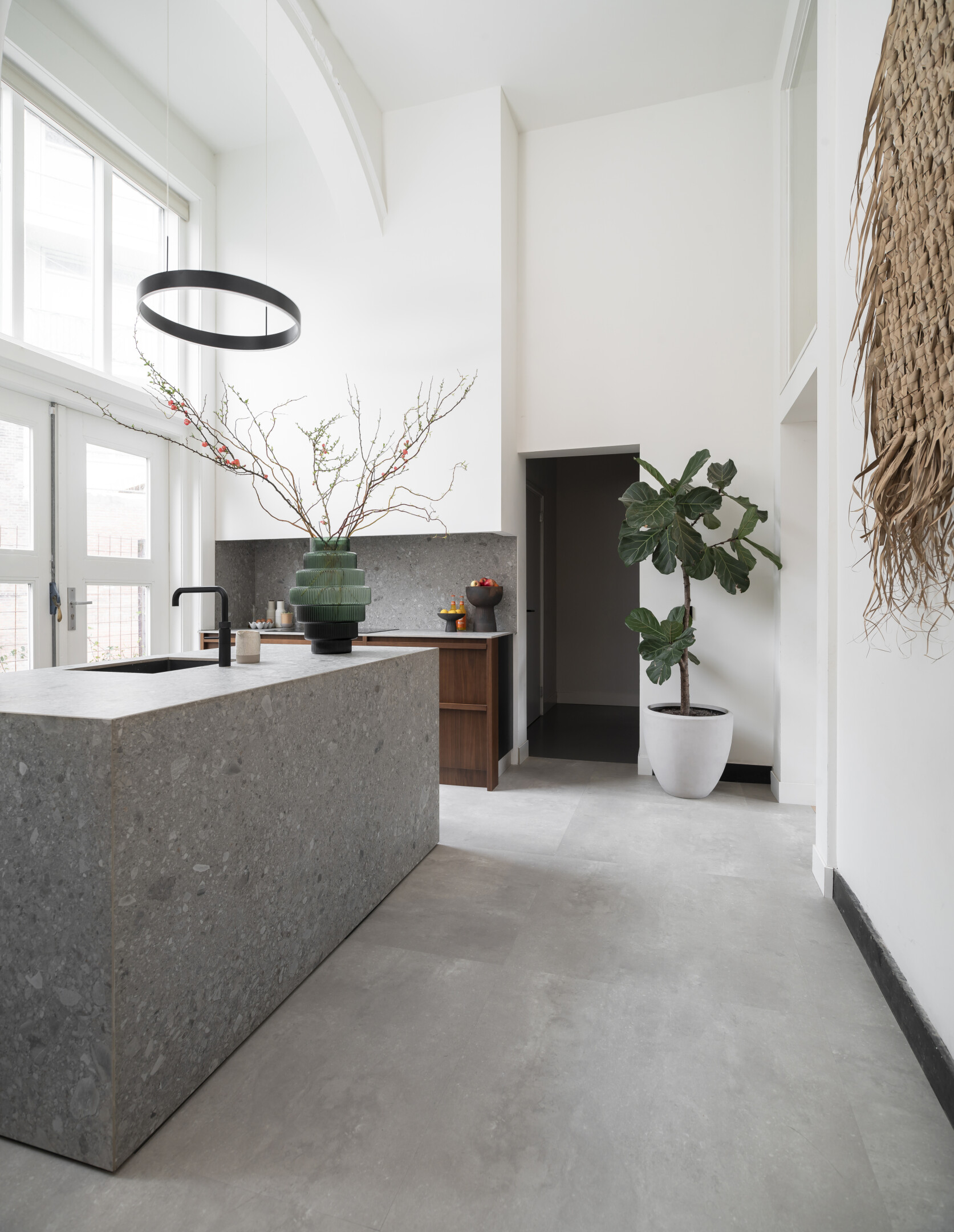
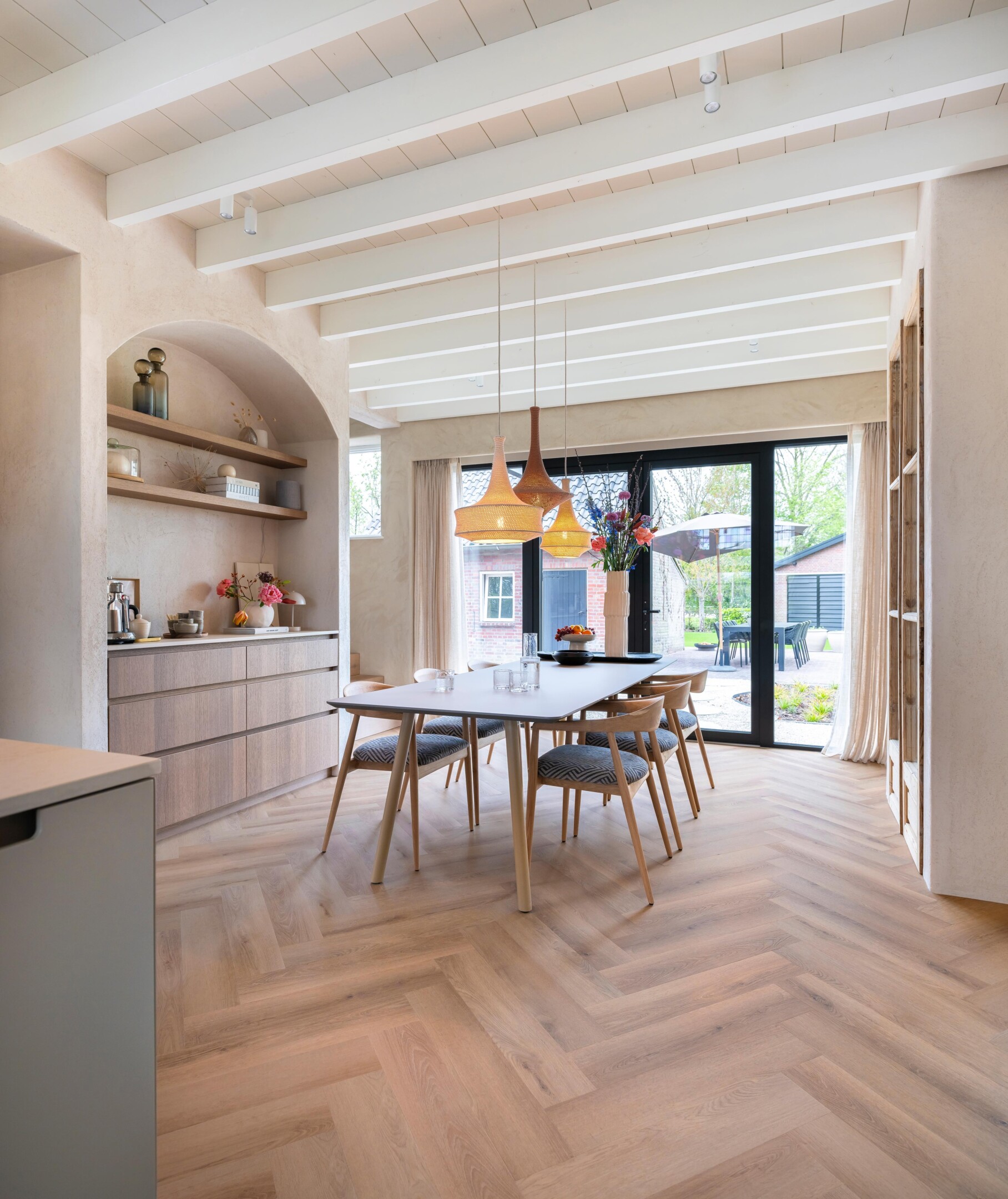
What ‘extending the flooring’ actually means
Extending the flooring means that the same floor continues seamlessly from one room to another. The living room flows into the kitchen, the hallway connects, and sometimes the floor even continues into the home office or bedroom.
This creates a single visual line that makes the home feel like a cohesive whole. You notice this effect as soon as you enter. The floor becomes a subtle background, and the space feels calmer and more connected.
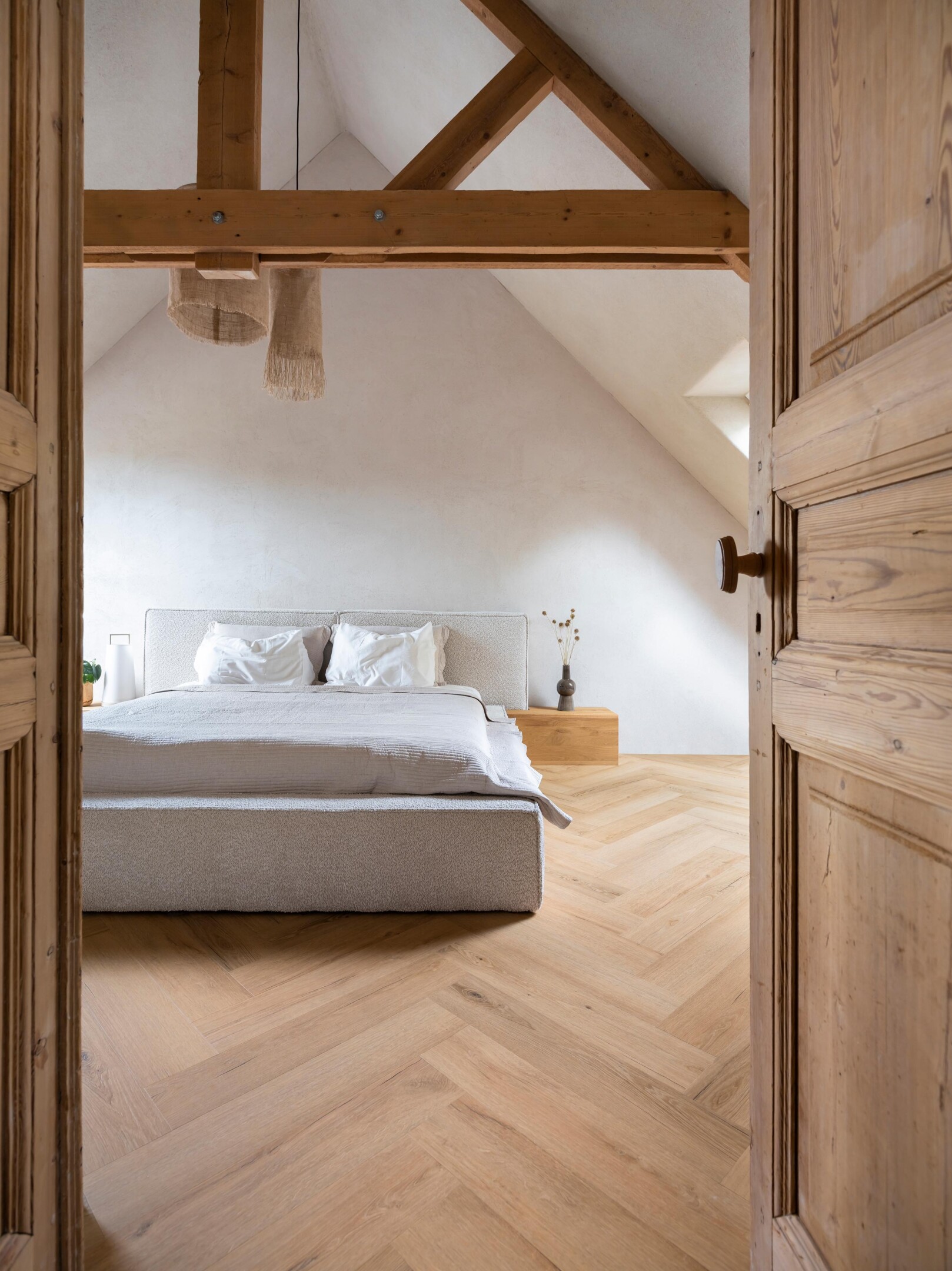
Why extending the flooring creates a sense of calm
A home with a single, continuous floor looks organized and bright. There are no breaks, patterns, or color differences. Daylight moves freely through the space, and the long sightlines emphasize the shape of the home. This works especially well in open-plan kitchens. The space feels larger than it is, simply because the floor doesn’t pause.
You also notice the benefits in daily use. A continuous floor is easier to clean and feels more stable as you walk through the house. The atmosphere remains consistent, even when the rooms are furnished differently.
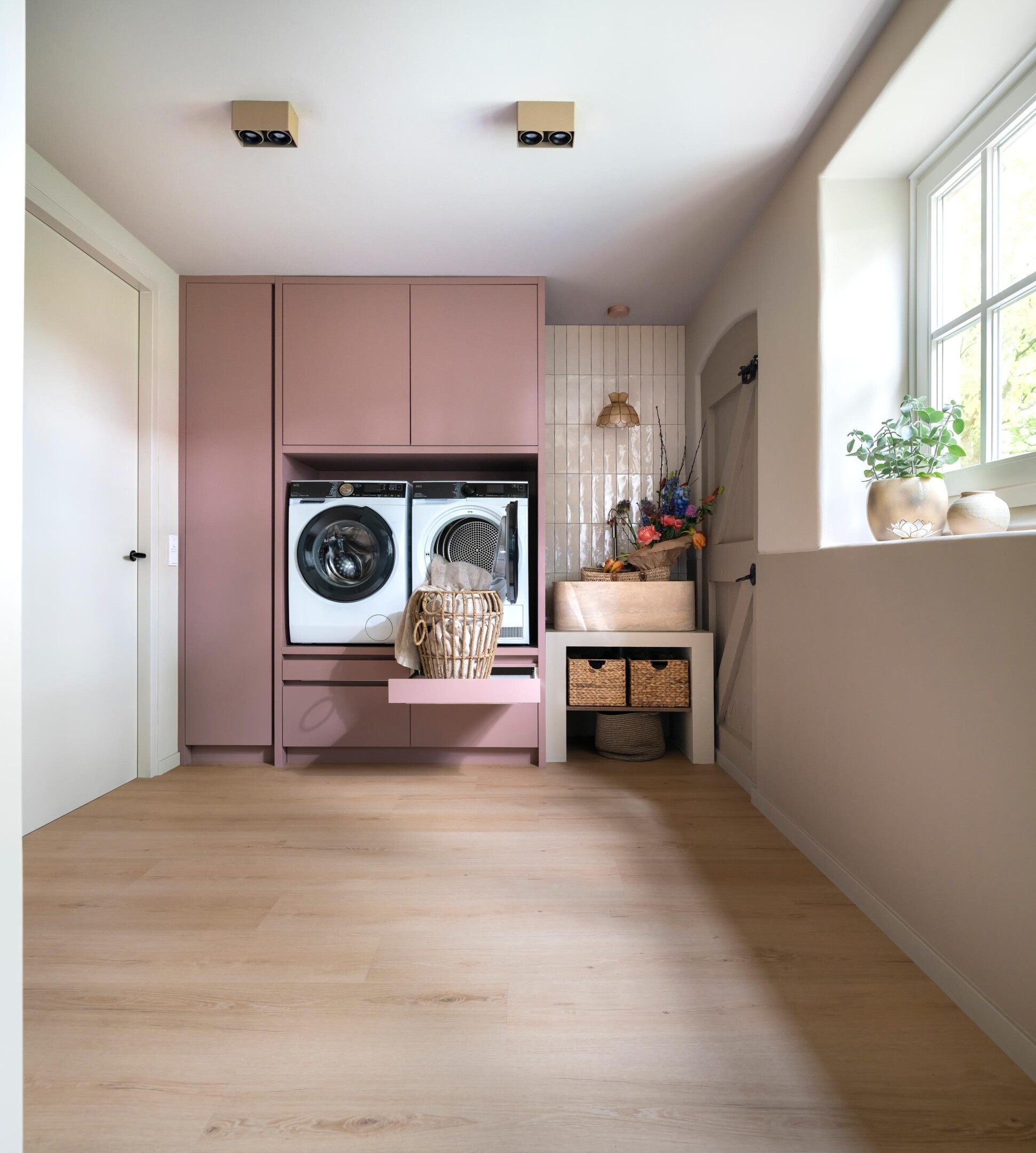
When you shouldn’t extend the flooring
There are situations where extending the flooring is less advisable. A floor needs a solid base to stay looking good. When there are height differences between two spaces, the connection can become visible. A step that’s too large or a subfloor that isn’t level enough can cause the floor to move more on one side than the other, creating tension at the transition.
Moisture-sensitive areas, such as certain kitchens, storage rooms, or wet spaces, also require caution. The material must be suitable for the conditions in both areas. Sometimes a separate floor is more practical and better preserves quality.
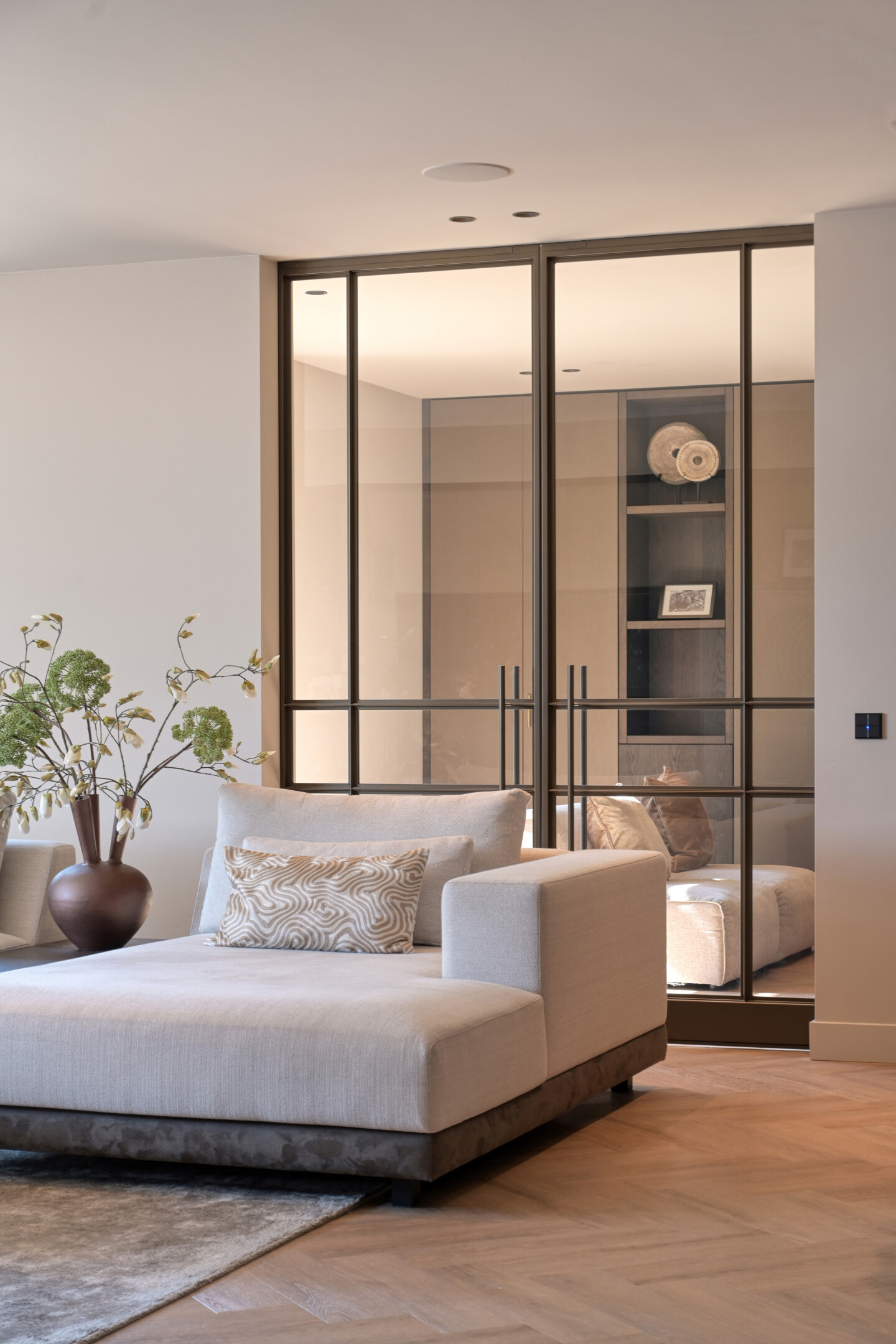
How to create a seamless transition
When extending the flooring isn’t possible, you can still create a calm connection. A transition strip in the same color as the floor provides a subtle separation without breaking the overall flow.
A door frame can also form a natural dividing line. The light falls slightly differently, making the transition feel natural. The key is that each space functions on its own while still feeling part of the same atmosphere.
Which floors are suitable for extending throughout a space?
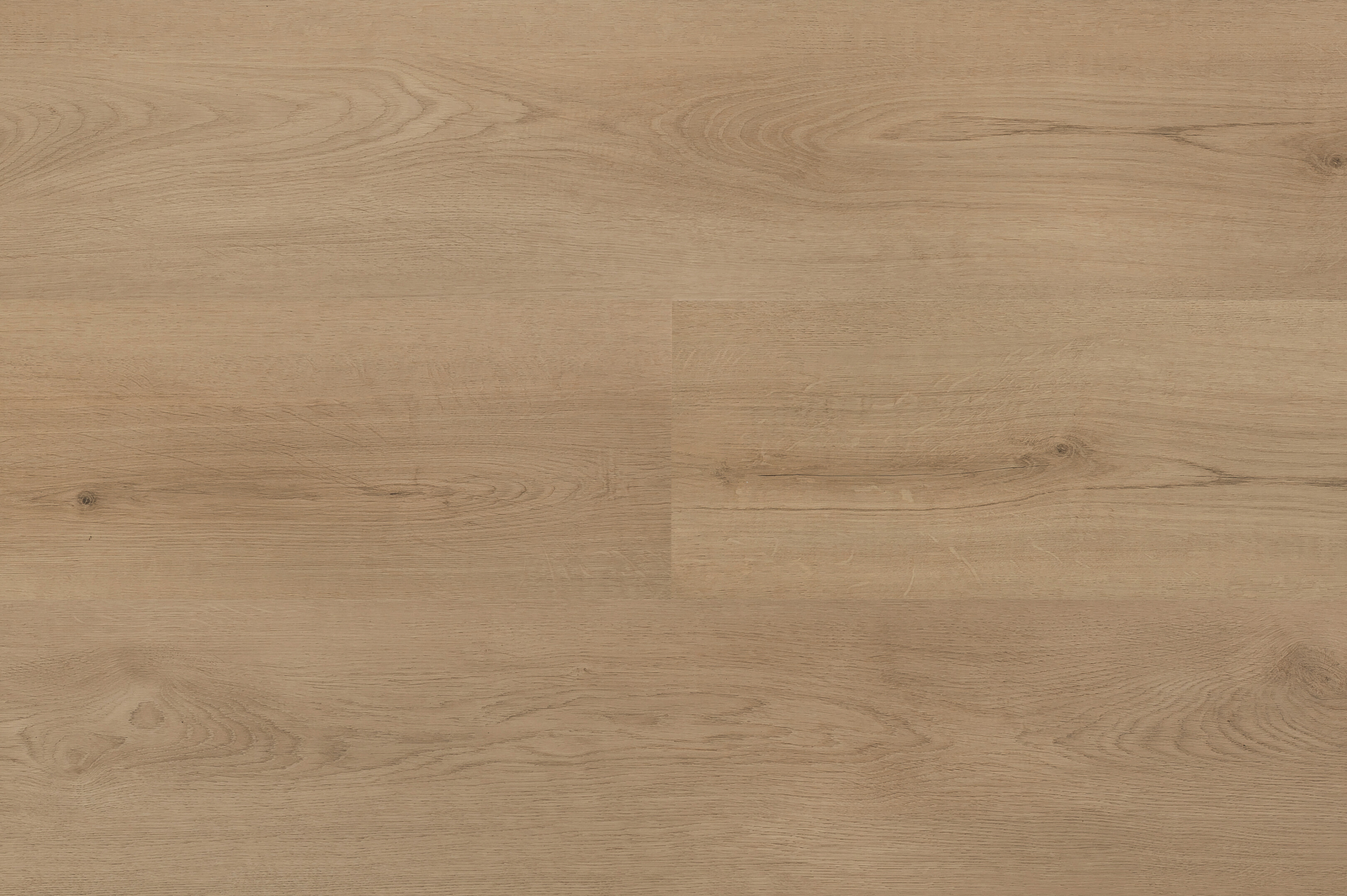
LVT
LVT is one of the most suitable floors to extend throughout a space. The floor hardly moves, feels quiet and stable, and connects seamlessly between different rooms.
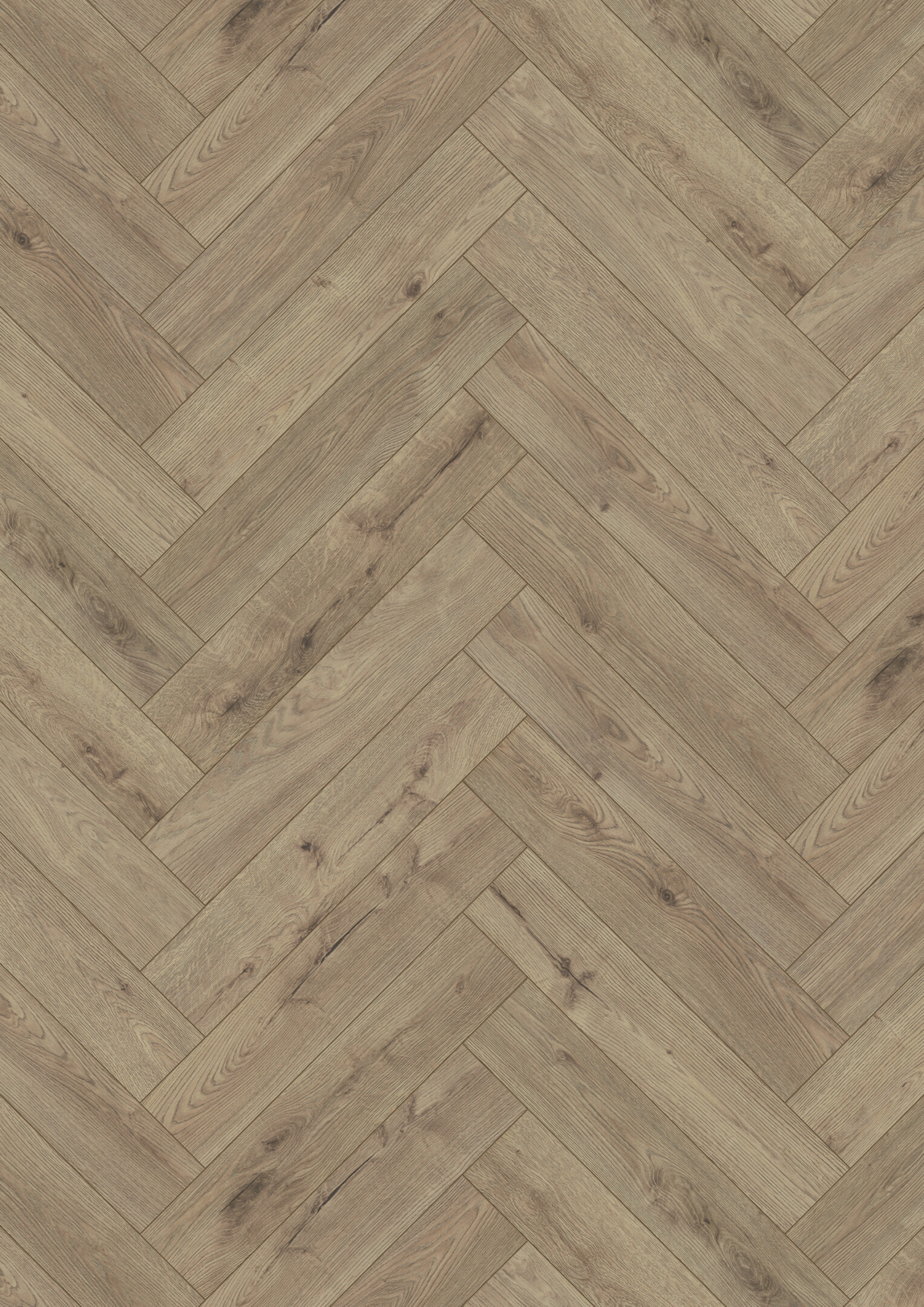
Laminate
Laminate can often be extended throughout a space as well, but it reacts differently to temperature and humidity. In large open areas, it usually works well, but in more complex layouts, it’s wise to check how the floor behaves on the subfloor.

