


Bought a new home? Get the flooring sorted first.
Congratulations on your new home! Time to start decorating. That usually comes with a lot of decisions. What color should the walls be? Where will the sofa go? Which kitchen fits the space best? But there’s one choice you should make first: the flooring.
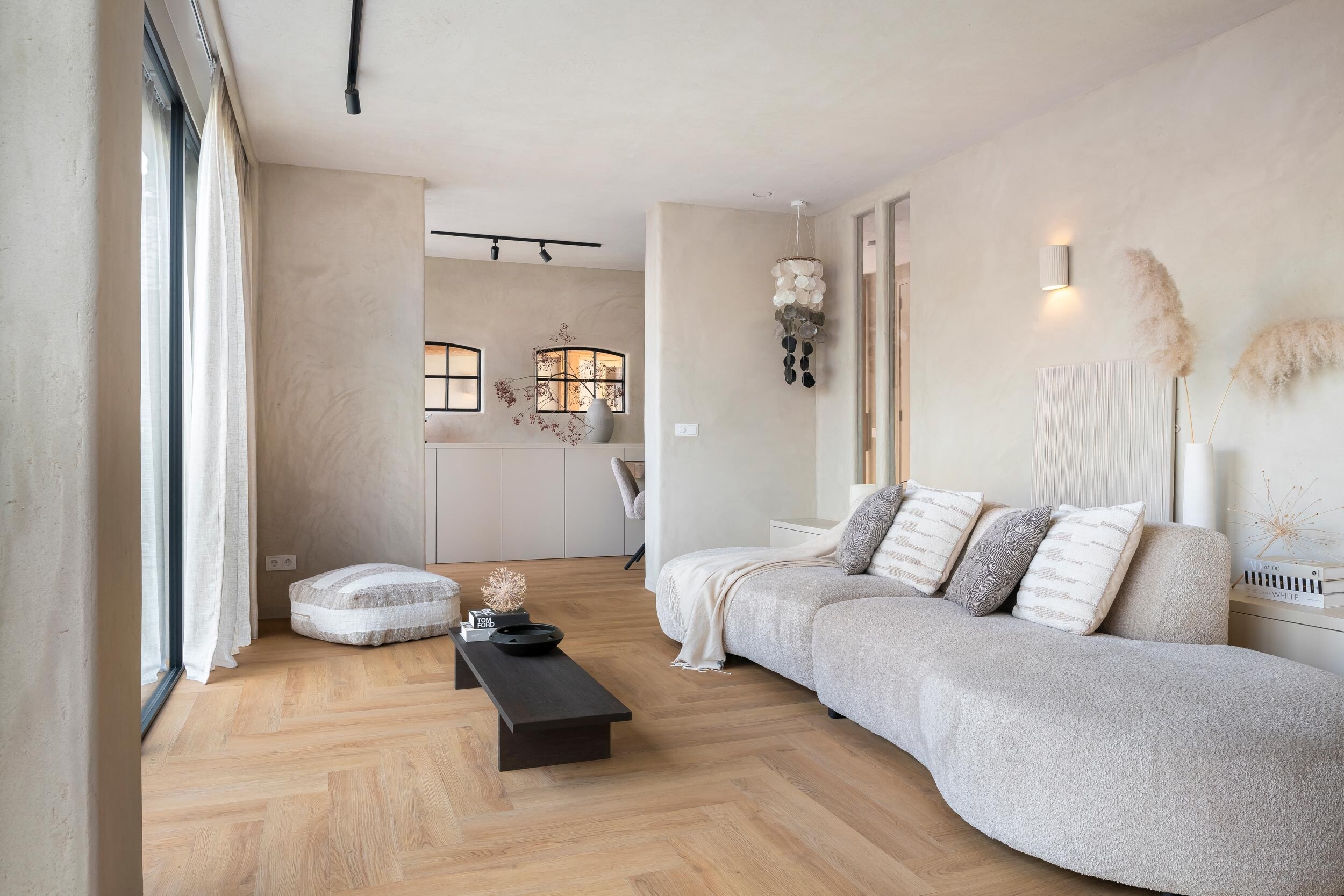
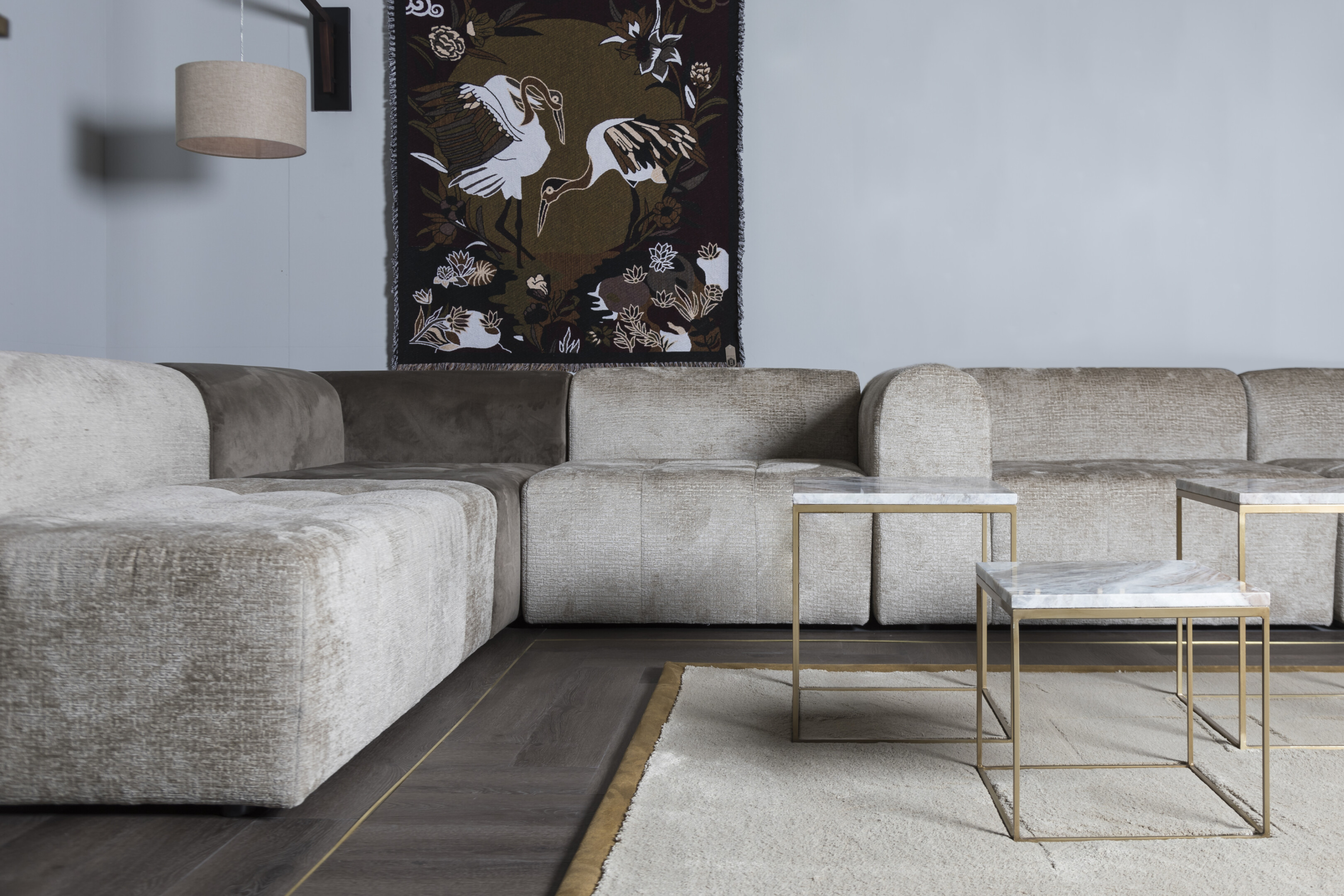
The flooring defines the atmosphere in your home.
A floor runs throughout your entire home, which means it has a major impact on how a space feels. A light floor often makes a room feel more open. A warm wood look can soften white walls. A darker floor adds more depth and can give a kitchen or living room a stronger appearance.
That is why it is smart to start with the flooring first. After that, you can choose the colors for your walls, furniture, and curtains. This helps prevent everything from feeling slightly mismatched later on. You can always move a sofa or repaint a wall, but the floor is the foundation that the rest of your interior is built around.
Choosing colors becomes easier.
When you choose the flooring first, it becomes much easier to make the rest of your interior decisions. You can quickly see which wall colors work, notice whether a kitchen finish feels too cool, and avoid furniture looking disconnected from the space.
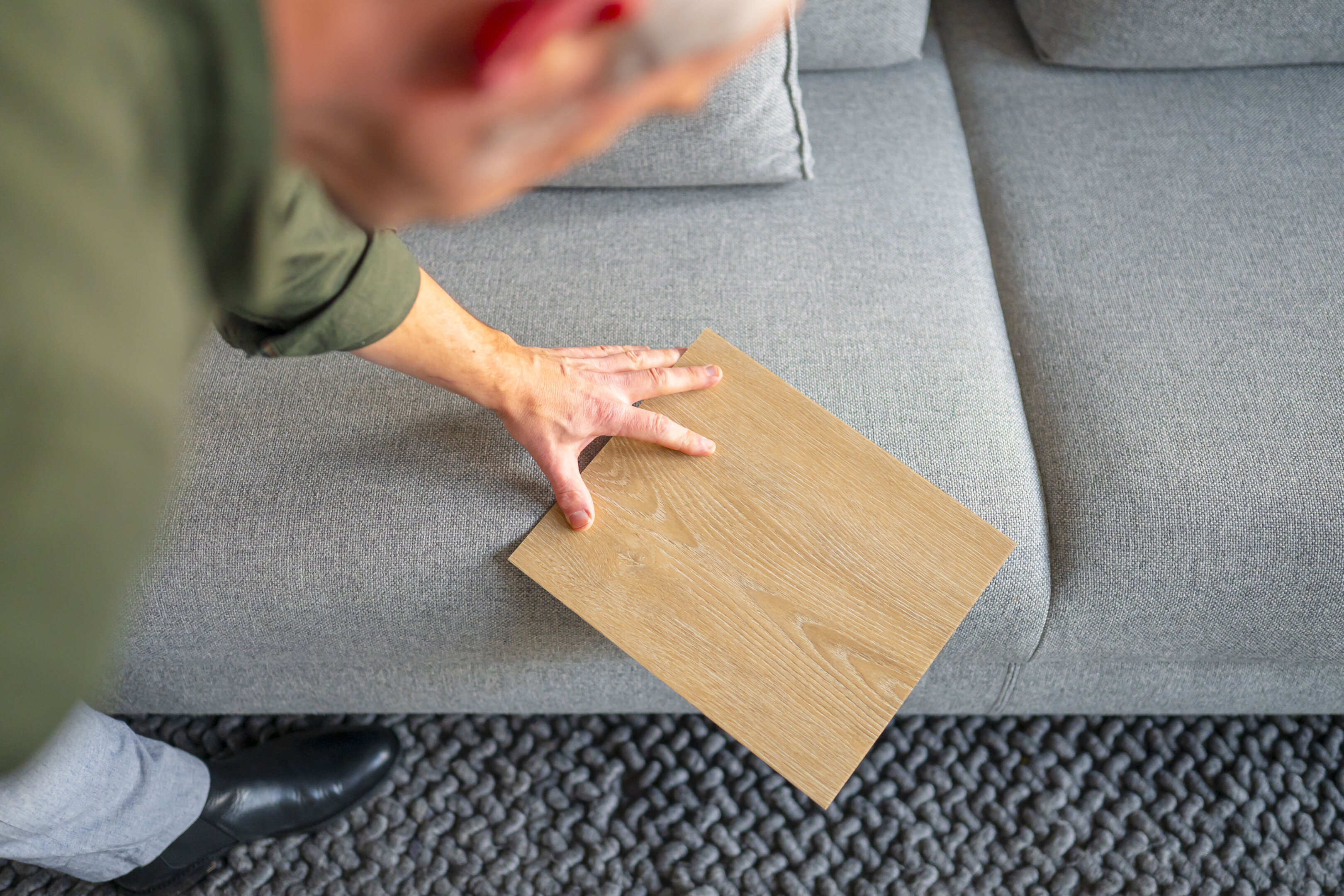
For example, place a flooring sample next to your kitchen materials, paint samples, and a fabric swatch from your sofa. You will immediately see how the floor interacts with the other materials. Sometimes a light floor makes the room feel fresher. In other cases, a warmer tone creates a calmer atmosphere.
You often only notice these differences when the materials are placed side by side. That is exactly why it helps to include the flooring early in the process.
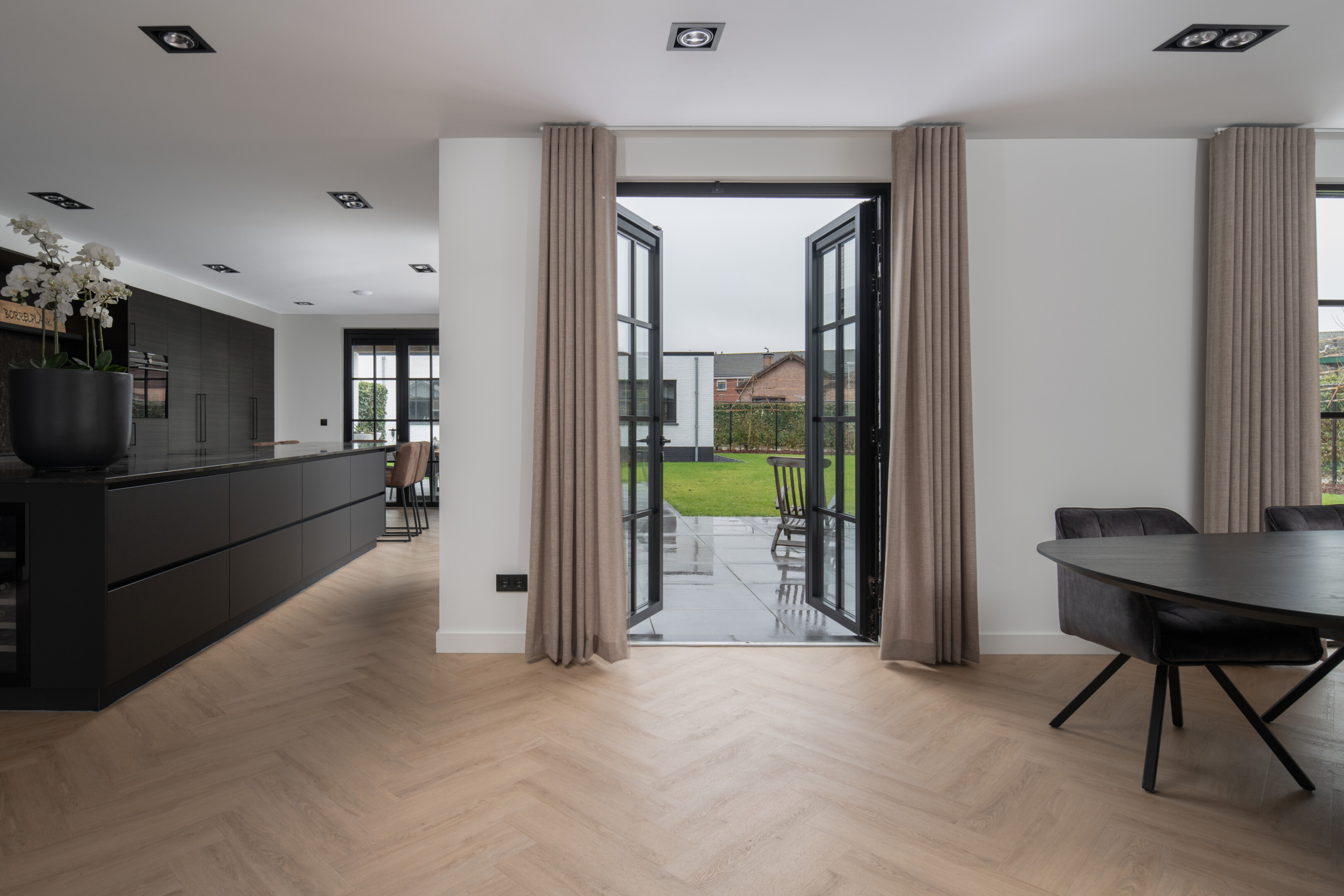
Think carefully about how you use your home.
A floor should match the way you live.
The kitchen is one of the busiest spaces in the home. Things get dropped, spills happen, and chairs are moved back and forth. That means you need a floor that is easy to clean and can handle daily use.
The hallway also has to deal with a lot. Shoes, bags, and wet coats are part of everyday life there.
In the living room, comfort and style matter most. The floor should feel good underfoot, while still creating a calm base for your furniture and accessories.
By thinking about how each room will be used, you can choose a floor that looks beautiful from day one and stays practical in everyday life.
Avoid having to reschedule everything later.
When you are moving, a lot of things happen at the same time. The painters arrive while the kitchen is being installed. The furniture gets delivered earlier than expected. If the flooring is arranged too late, it can make the whole schedule more complicated.
By choosing your flooring early, separate decisions become one clear plan. You know where to start and what comes next. That makes the entire decorating process much easier to manage.
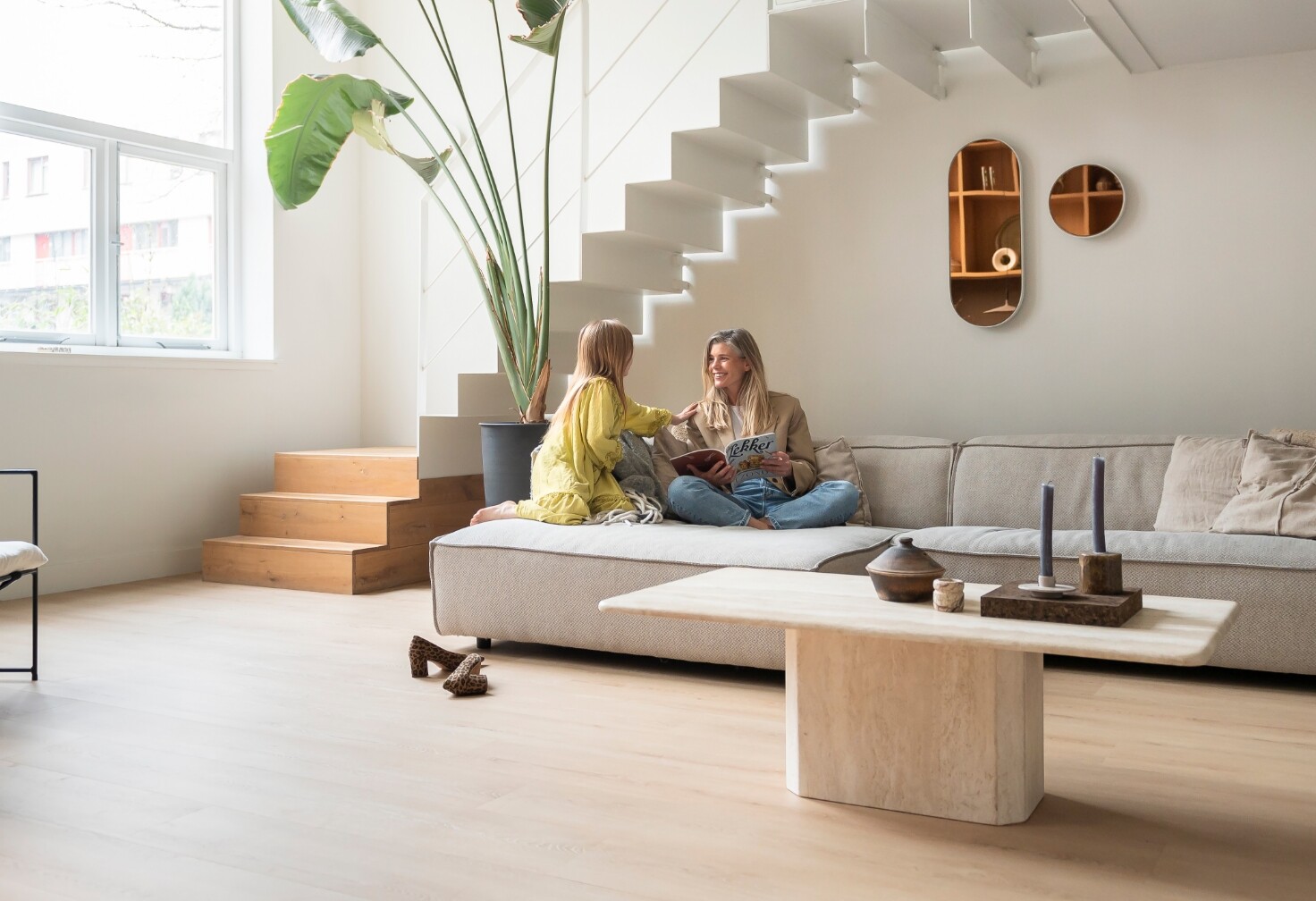

Install the flooring before you move in.
Installing a floor is easiest when the house is still empty. There are no heavy cabinets in the way, the sofa does not need to be moved from room to room, and your curtains, furniture, and accessories stay dust free.
It also makes a difference when it comes to finishing. The flooring can be installed more neatly, baseboards can be completed right away, and transitions between rooms are easier to assess. Everything is easier to reach, and there is less need to work around furniture and other items.
That saves time, hassle, and repair work. Especially when you already have a lot to organize in a short period of time, it gives you peace of mind.
The floor is the starting point of your new home.
Color is important, but it is not the only thing to consider. The texture, finish, and installation pattern also have a big impact on the final look. Straight planks often make a room feel calmer and more spacious. Herringbone draws more attention to the pattern. A matte finish keeps the lighting soft and balanced. A realistic wood texture gives the floor a more natural wood appearance.
That is why it is smart to see flooring in person. On a screen, colors tend to look more similar. In a showroom, you get a better sense of how a floor reacts to light, how large the planks appear, and which texture fits your home best.