


Can you clean an LVT floor with a steam cleaner?
A steam cleaner may seem like an easy way to keep your floors clean. However, it is not a good choice for an LVT floor. The combination of heat, moisture, and pressure can damage the flooring. In this article, you'll learn why that happens and how to properly clean and maintain your LVT floor instead.
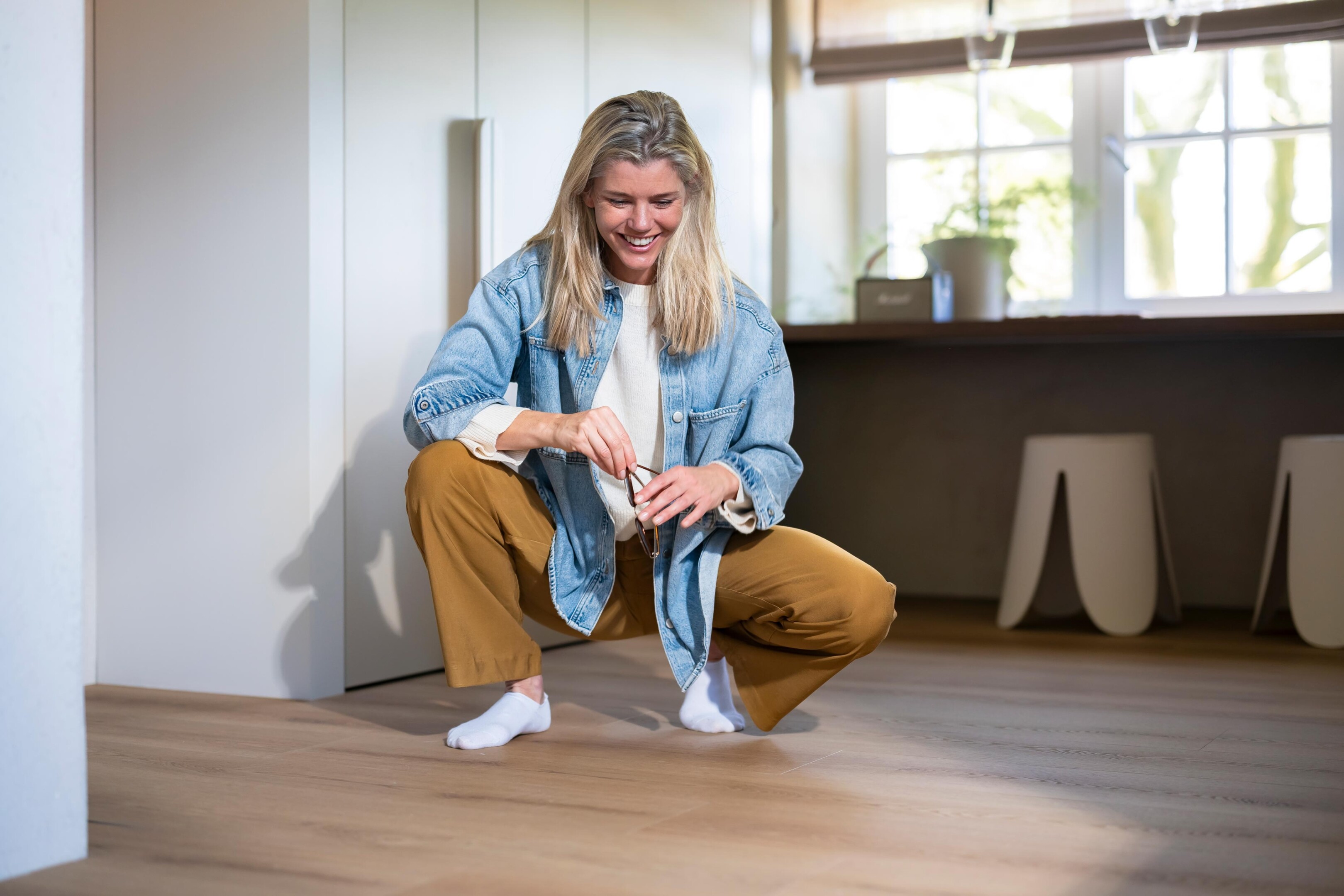

Why you should not clean an LVT floor with a steam cleaner
A steam cleaner may seem like an easy way to keep your floors clean. However, it is not a good choice for an LVT floor. Crumbs under the dining table, sand by the back door, or a spill in the kitchen can usually be removed with a quick mop. A steam cleaner is very different from a regular mop. It uses hot steam and pressure to clean, and that combination can cause problems for LVT flooring.
The short answer is simple: it is best not to use a steam cleaner on an LVT floor. LVT and steam are not a good match.
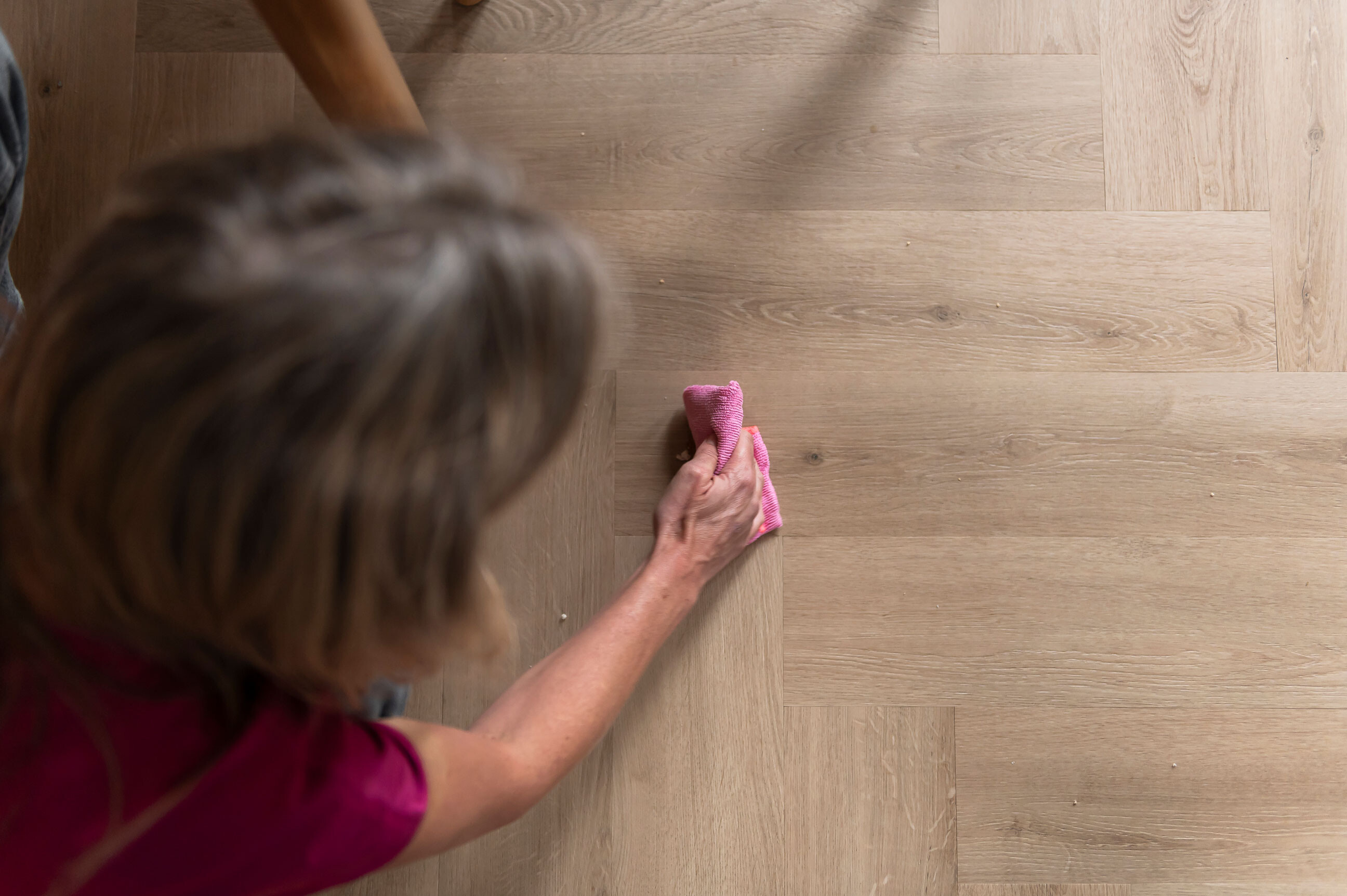
Hot steam can get into the seams
With a steam cleaner, hot steam is forced onto the floor under pressure. That steam does not always stay on the surface. It can be pushed into the seams between the planks.
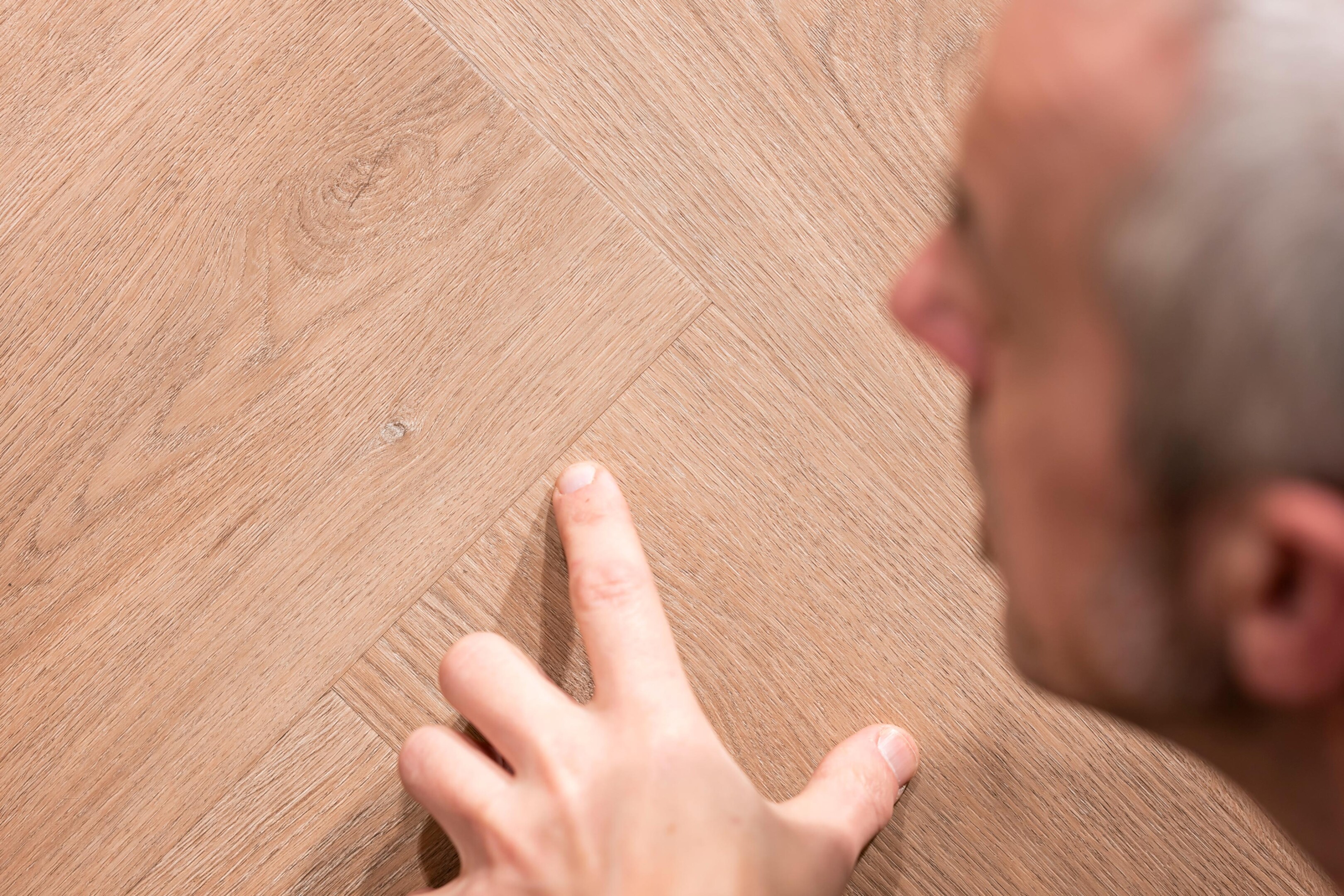
That is where the risk lies. When heat and moisture get between the planks, they can affect the locking system or the adhesive underneath. As a result, the floor may start to shift or deteriorate over time. This can lead to lifted edges, bubbling, or sections of flooring coming loose.
The tricky part is that you usually will not notice the damage after a single cleaning session. That can make steam cleaning seem harmless. However, once the adhesive or connections have been affected, the damage is often difficult to fix. It is not something that can simply be wiped away with a cloth or cleaning product.
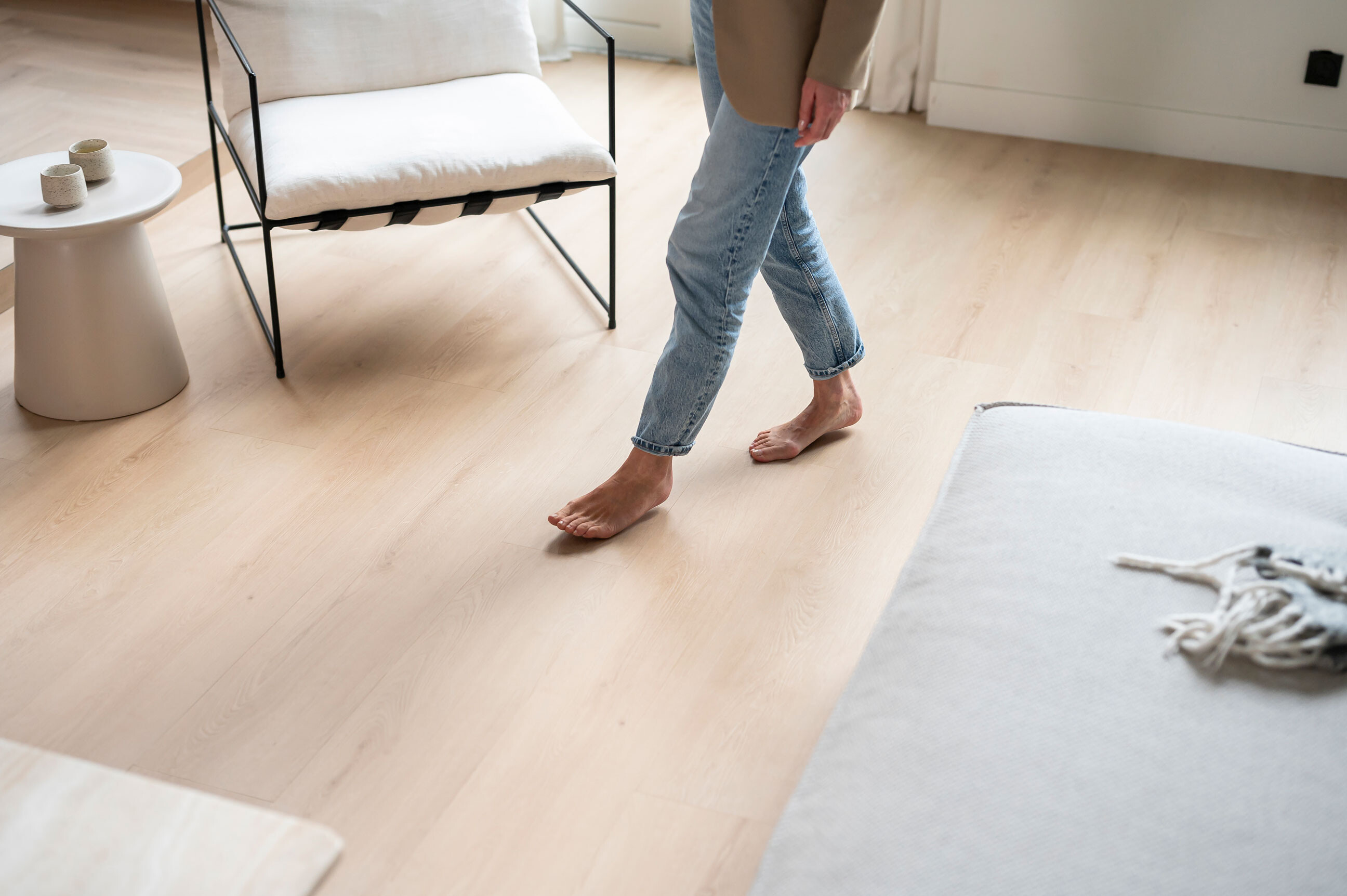
LVT reacts to heat
LVT is made from synthetic materials, and like most synthetic materials, it reacts to heat. The temperature produced by a steam cleaner is much higher than what is needed to clean your floor. Over time, that heat can cause the material to warp or distort. It may also affect the wear layer, leaving the floor looking dull or worn. The floor may be clean, but it will no longer look the way it did before.
That is exactly what you want to avoid. Many people choose LVT because it is durable, low maintenance, and easy to live with. The last thing you want is for a cleaning routine to leave behind permanent damage.
How should you clean an LVT floor instead?
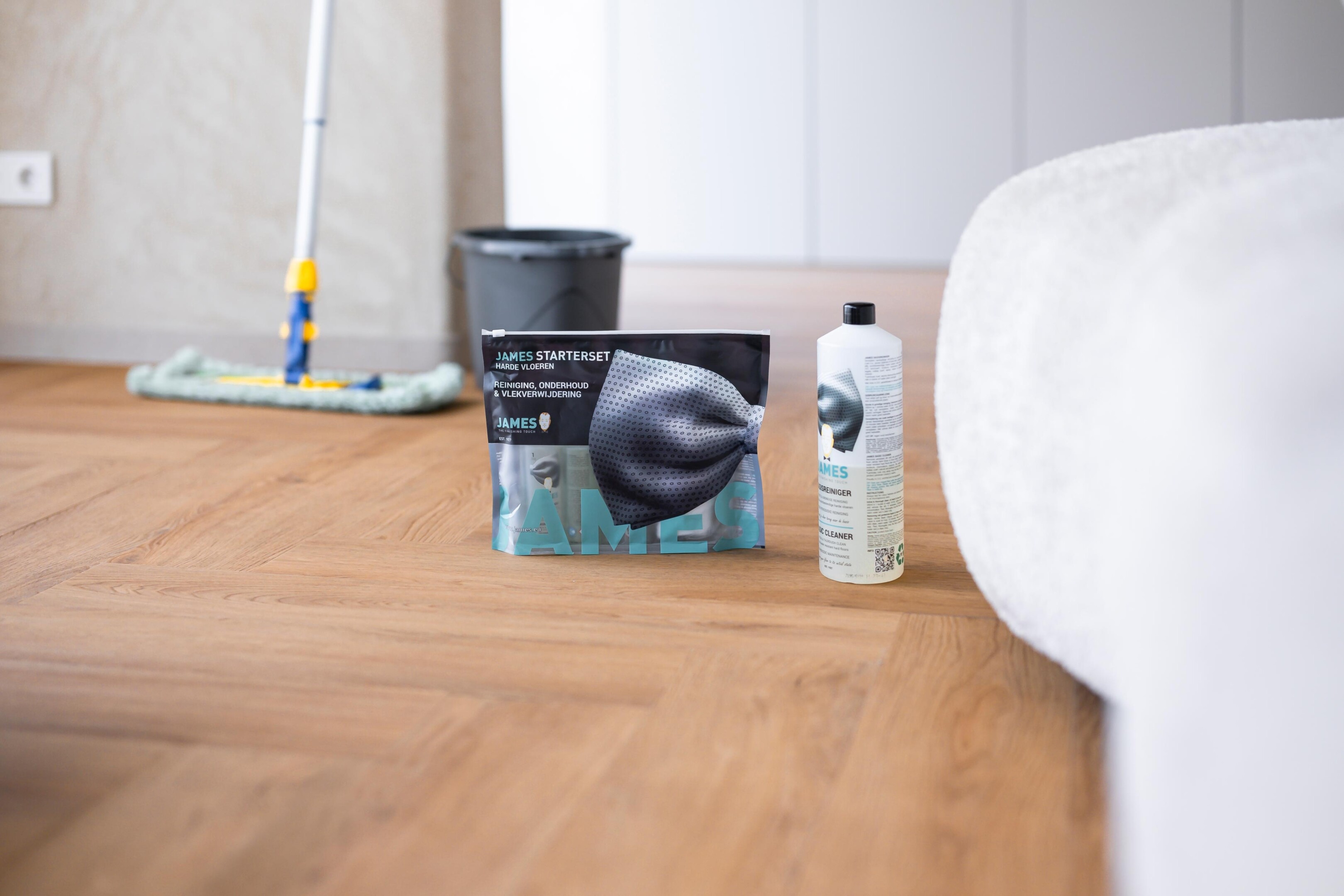
- Start by vacuuming or sweeping away any loose dirt. This prevents sand and crumbs from scratching the floor while mopping.
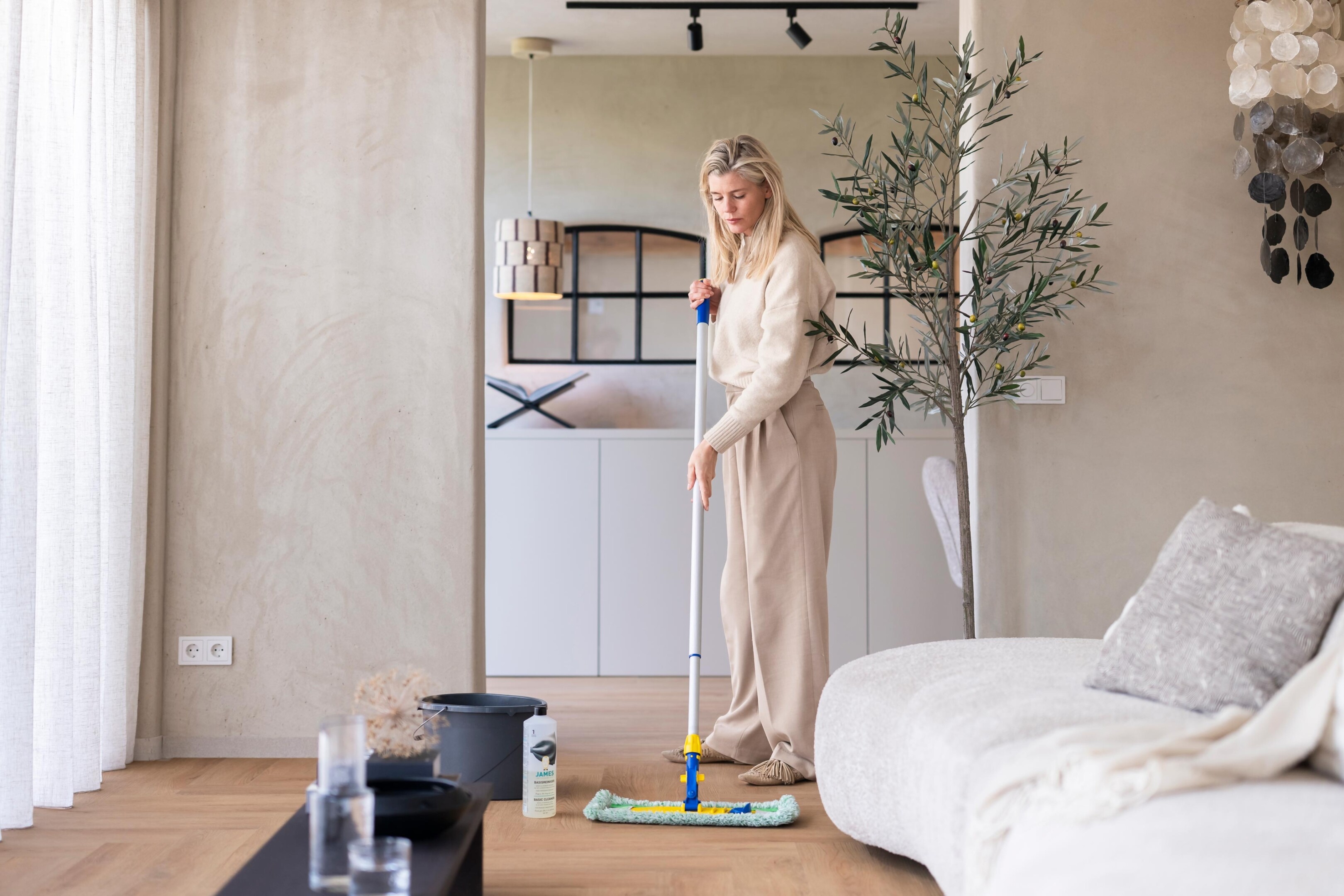
- Next, mop the floor with a damp mop, not a soaking wet one. Use a cleaning product that is specifically designed for LVT flooring, such as James LVT Cleaner.
This allows you to clean the floor without heat, pressure, or excessive moisture, which is exactly what an LVT floor needs to stay in great condition.
What can happen if you use a steam cleaner anyway?
Damage usually occurs in the areas where the floor is most vulnerable, such as seams, edges, transitions near baseboards, or high traffic areas.
In these spots, steam can cause:
- adhesive to loosen
- bubbling or raised areas in the floor
- seams to lift
- distortion of the LVT material
- a dull or damaged wear layer
The frustrating part is that this type of damage is often difficult to repair. Once a floor has become warped or lost its finish, it is not easy to restore it to its original condition.
Damp mopping is better than wet mopping
An LVT floor is designed to handle everyday life, but that does not mean more water is better. The same rule applies when mopping: use only as much moisture as needed. A damp mop is enough to keep the floor clean and fresh. There is no need to leave excess water on the surface. This is especially important around seams and edges, where standing moisture should be avoided.
When you use the right floor cleaner and a well wrung mop, you can keep your floor clean without putting unnecessary stress on it.

A small habit can make a big difference
Good floor care often comes down to small habits: vacuuming sand near the back door, wiping up spills in the kitchen right away, using quality felt pads or protective glides under chairs, and choosing a suitable floor cleaner instead of an aggressive cleaning method when mopping.
These simple steps help keep your LVT floor looking its best for years to come. Not through scrubbing harder or using lots of steam, but by cleaning gently and consistently.
Not sure about maintenance?
If you are not sure which cleaning product is suitable for your floor, or if you are dealing with a stain that is difficult to remove, contact a Hebeta dealer for advice. They can help you find the right solution for your specific floor and situation. That way, you can avoid causing damage during cleaning and keep your floor looking the way it was designed to.
![Placement Area [ASSETsmall][SIZEDefault][STATEDEFAULT].jpg](https://en.hebeta.nl/m/cms/72_3840x2160.jpg/placement-area-assetsmallsizedefaultstatedefaultjpg.jpg)