


Why your interior sometimes feels like it is missing something
You know those moments when you walk into a room and immediately think, this floor brings the whole space together. The sofa stands out beautifully, the kitchen feels more connected to the living room, and even the wall colors seem to work in perfect harmony. The space feels warmer and more inviting, without adding anything else.
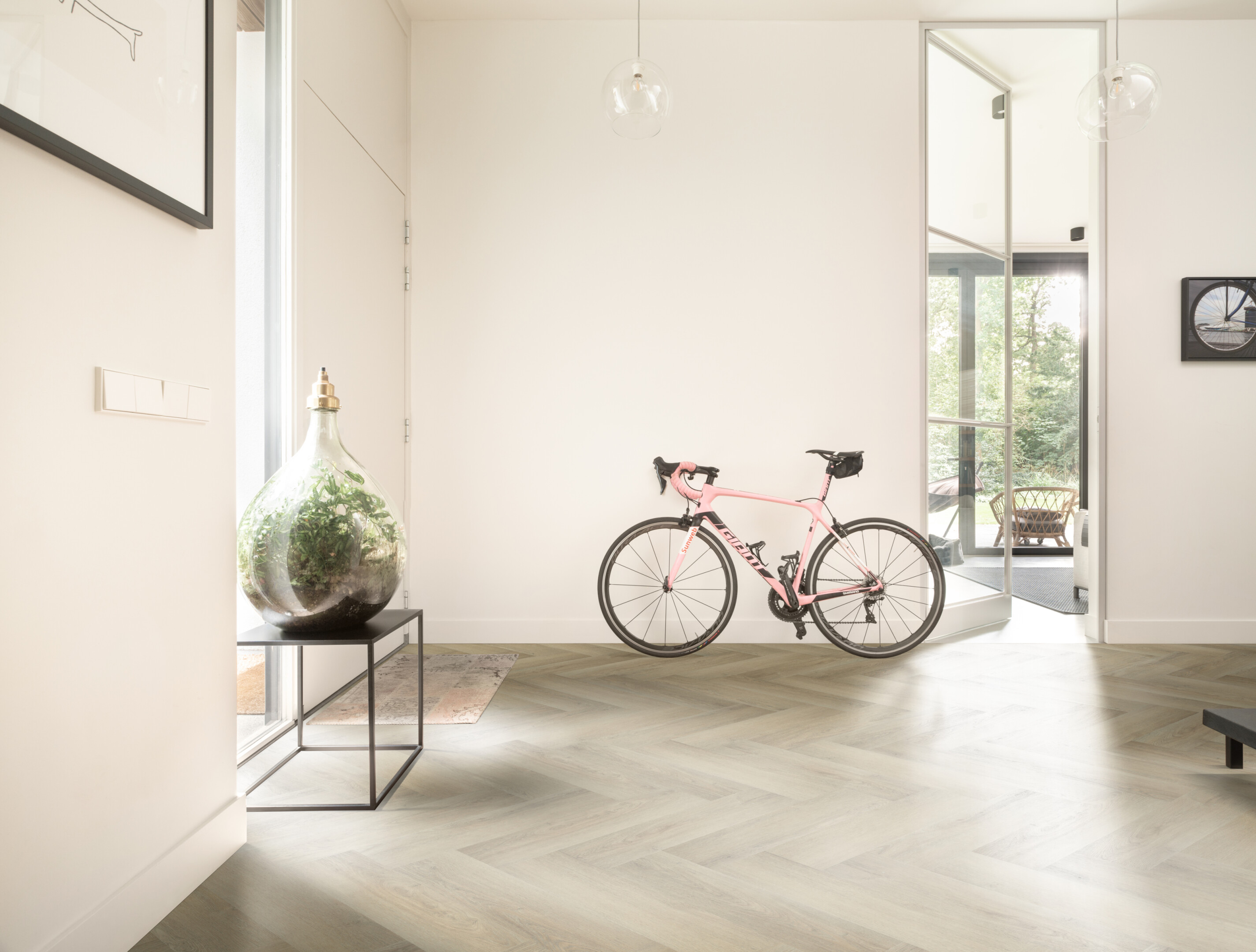
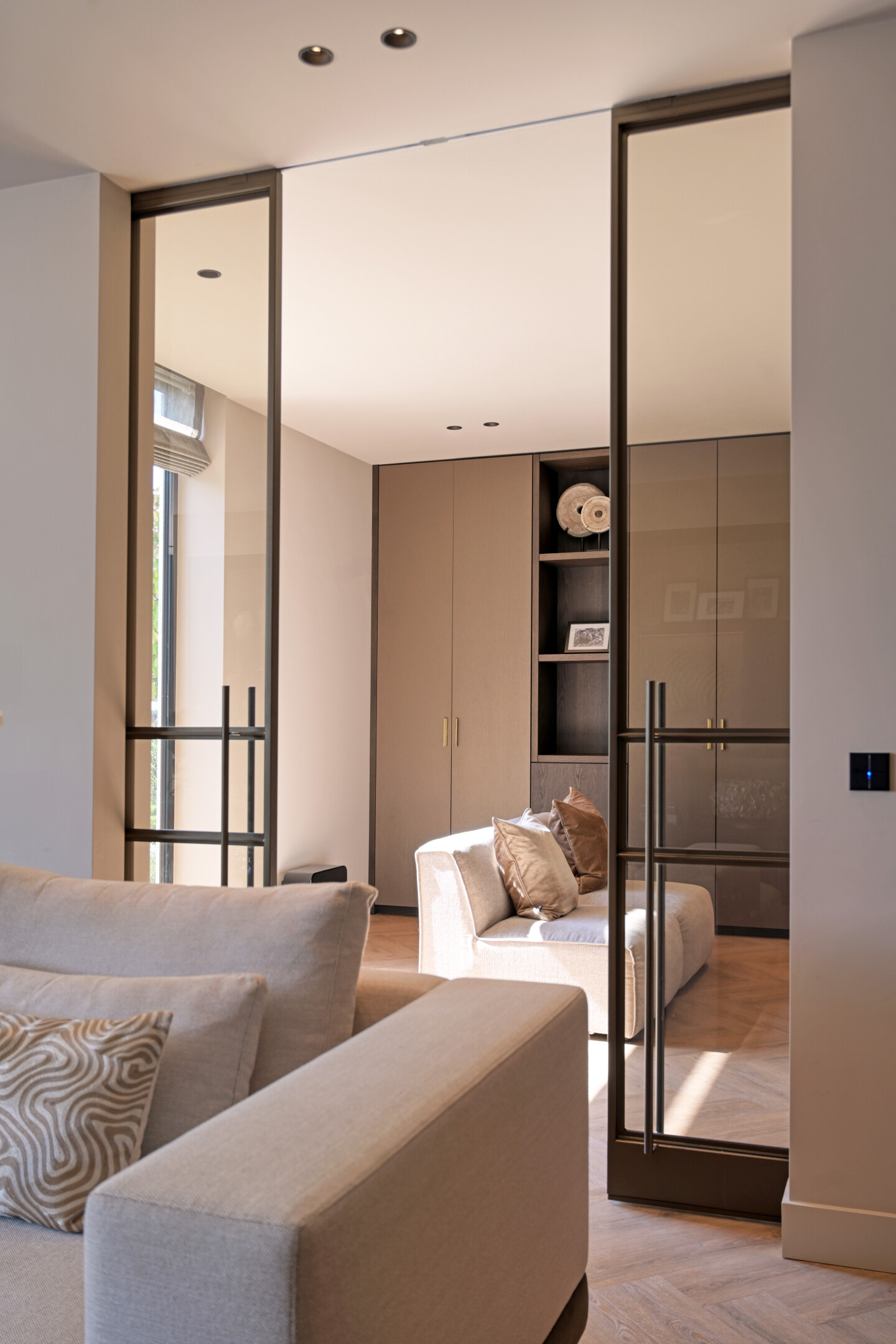
The kitchen and living room feel like two separate spaces
In many homes, the kitchen, dining area, and living room flow into one another. That means the flooring needs to work well throughout the entire space.
If the floor mainly complements the kitchen, the living area can end up feeling too cool or too stark. If it suits the living room better, the kitchen may feel disconnected. This is especially noticeable in open concept layouts.
A continuous floor helps create a more cohesive look. The same foundation extends beneath the kitchen, dining table, and sofa, bringing the entire space together. The result is a calmer interior with fewer visual breaks and a stronger sense of unity.
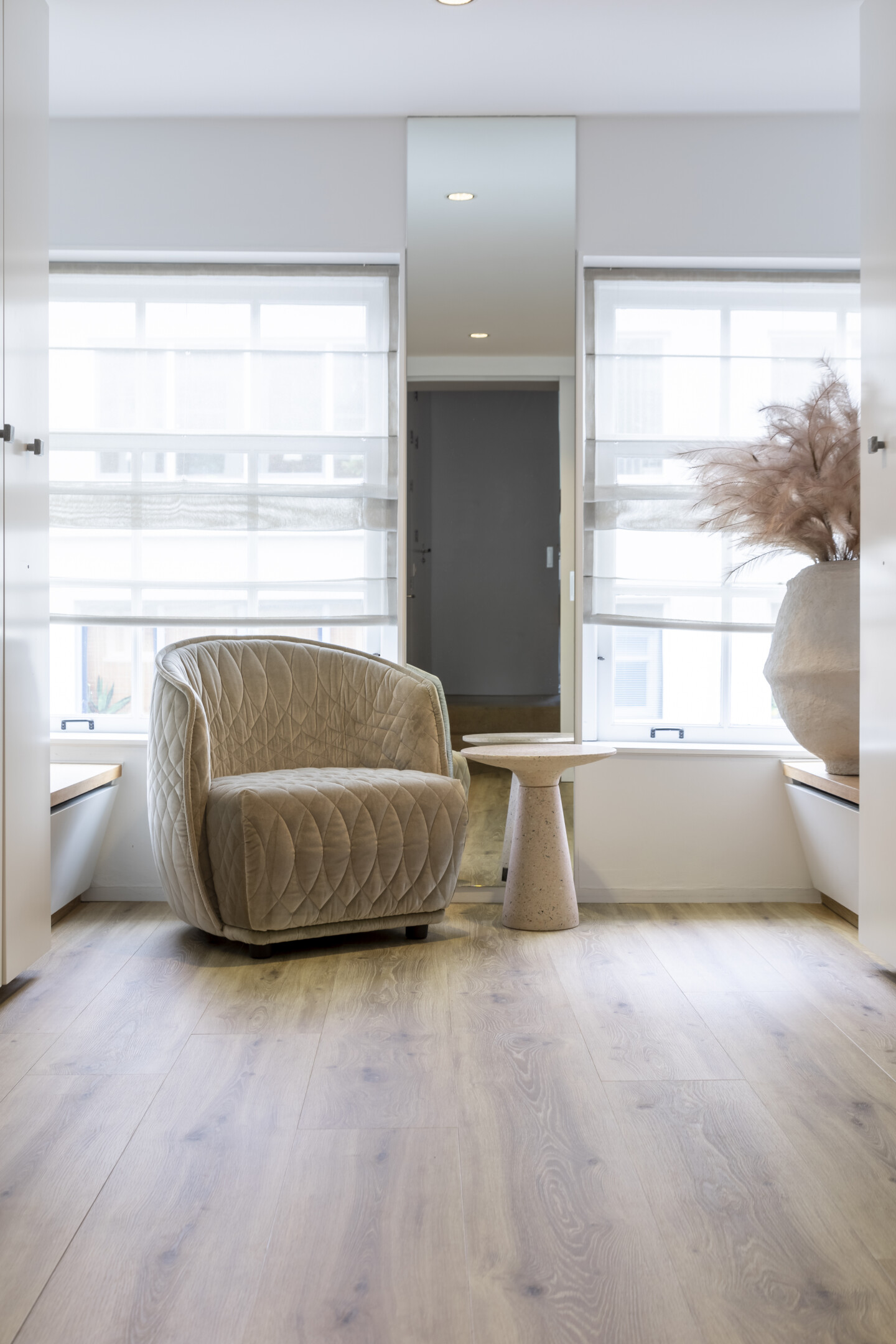
Your furniture feels disconnected from the space
Sometimes everything is in the right place, yet the room still does not feel cohesive. The sofa, dining table, and cabinets can seem like separate pieces instead of part of one harmonious interior. Often, the flooring is the reason. A color that is too cool can make warm furniture look flat. A bold pattern may compete with fabrics, wood, and accessories. On the other hand, a floor that is too plain can leave the space feeling cold and lacking character.
With the right flooring, everything starts to come together. The sofa feels more grounded, the dining table connects naturally with the living area, and the different materials complement each other instead of competing. The result is a calmer, more balanced space, without the need for additional furniture or décor.

The flooring draws too much attention
A floor can certainly have character. A realistic wood grain, a distinctive pattern, or a rich dark color can add a lot to a space. The challenge comes when the flooring constantly demands attention. This can happen when the grain is too bold, the contrast is too strong, or the pattern competes with the rest of the interior. Instead of enhancing the room, the floor becomes a distraction.
A well chosen floor allows the other elements in the room to shine. The sofa feels more at home, the kitchen looks more cohesive, and the wall colors make more sense. That is when you walk into a room and everything simply feels right.
Choose a floor that truly completes your interior
If you are unsure which floor is right for your home, take the time to see different options in person and look beyond the color alone. Pay attention to the texture, finish, and how the flooring complements your furniture and other materials. Bring a photo of your living room to the showroom, or place a flooring sample next to your sofa, kitchen cabinets, or dining table at home. That way, you can see which floor truly brings your interior together.
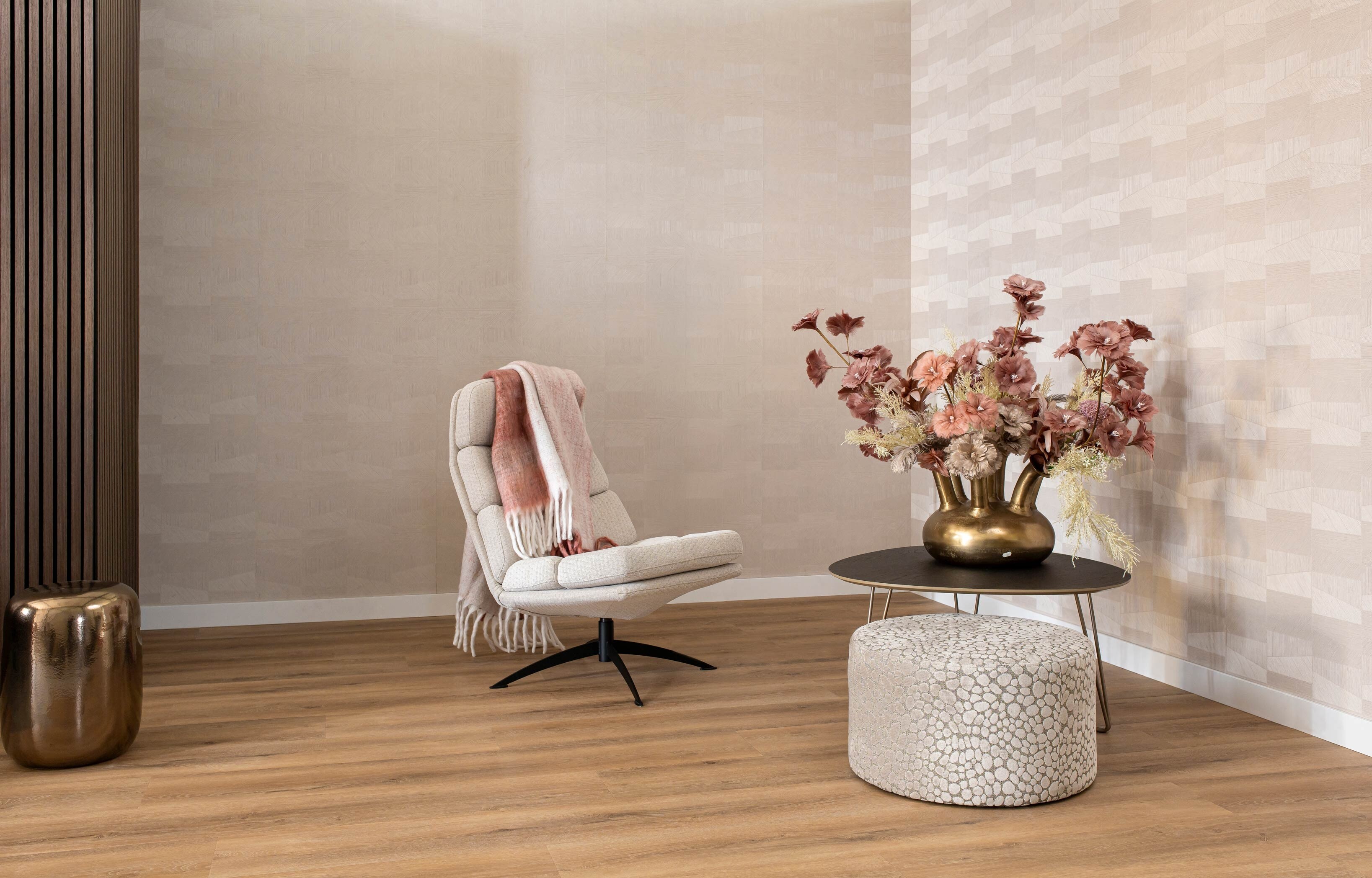
The room feels like it is missing warmth
Many people try to make a room feel warmer by adding cushions, throws, candles, or wall décor. While those finishing touches certainly help, the space can still feel a little cold if the foundation is missing.
The flooring has a major influence on that feeling. Especially in a living room or open concept space, it is one of the first things you notice. A warm wood look can soften light colored walls. It also complements a wooden dining table and allows soft fabrics to stand out beautifully.
LVT flooring with a realistic wood texture brings that warmth into your home while remaining practical for everyday life. Chairs slide across it, shoes come through the door, and the occasional spill is no problem. It is a floor that looks beautiful and is made for a home that is truly lived in.
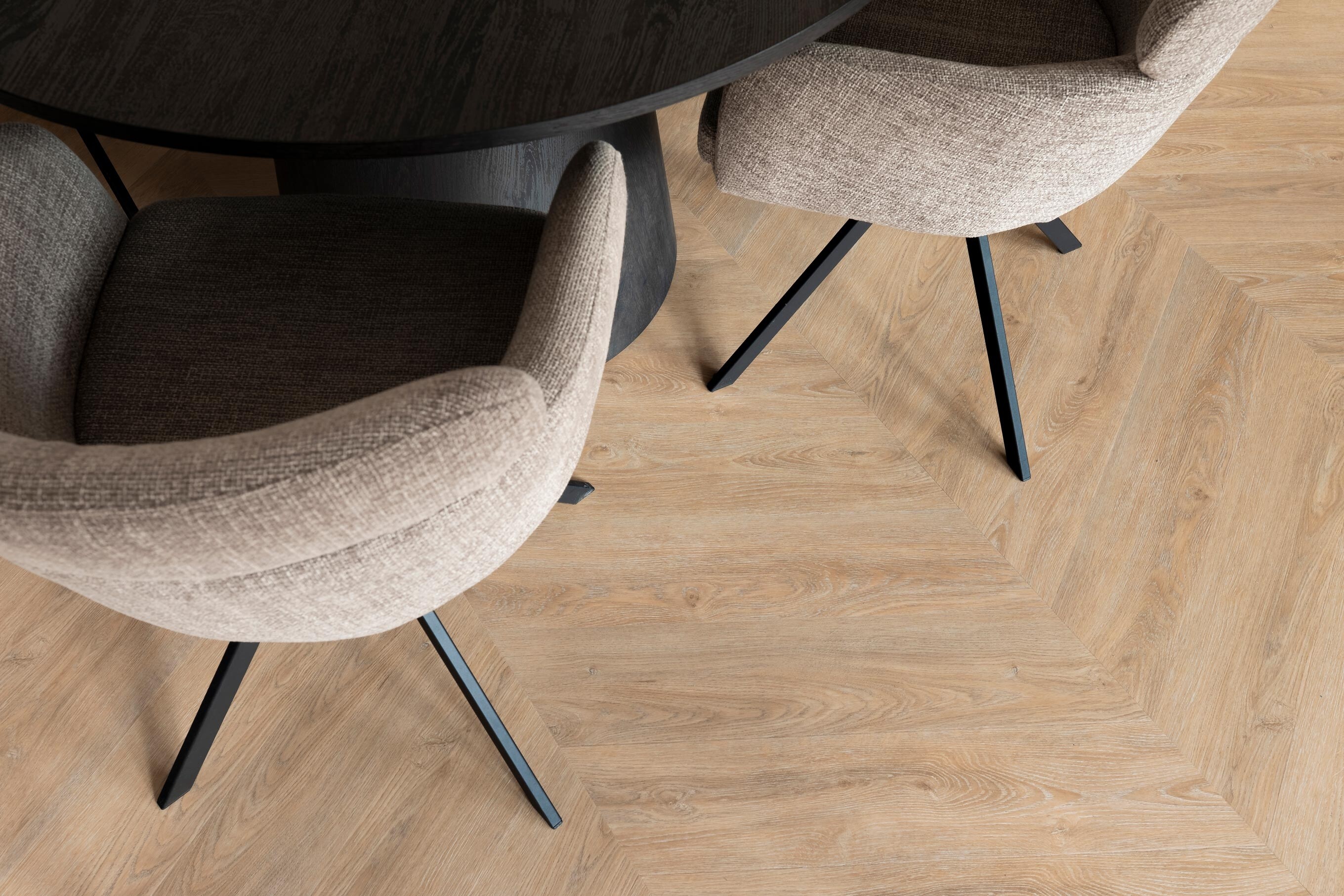
The color looks different at home than you expected
A floor may look perfect in a photo or showroom, but the same floor can look very different once it is in your home. Natural light, wall colors, furniture, and the size of the room all influence how the flooring appears.
A color that looks warm in the showroom may appear darker at home. A light floor can look cooler when placed next to your furniture. And a pattern that seems subtle in a product photo may become much more noticeable in a larger space.
That is why it is always a good idea to see how the flooring looks in your own interior. Place a sample next to your sofa, kitchen cabinets, dining table, or curtain fabric. You will quickly see whether the floor makes the space feel calmer, warmer, or more balanced.
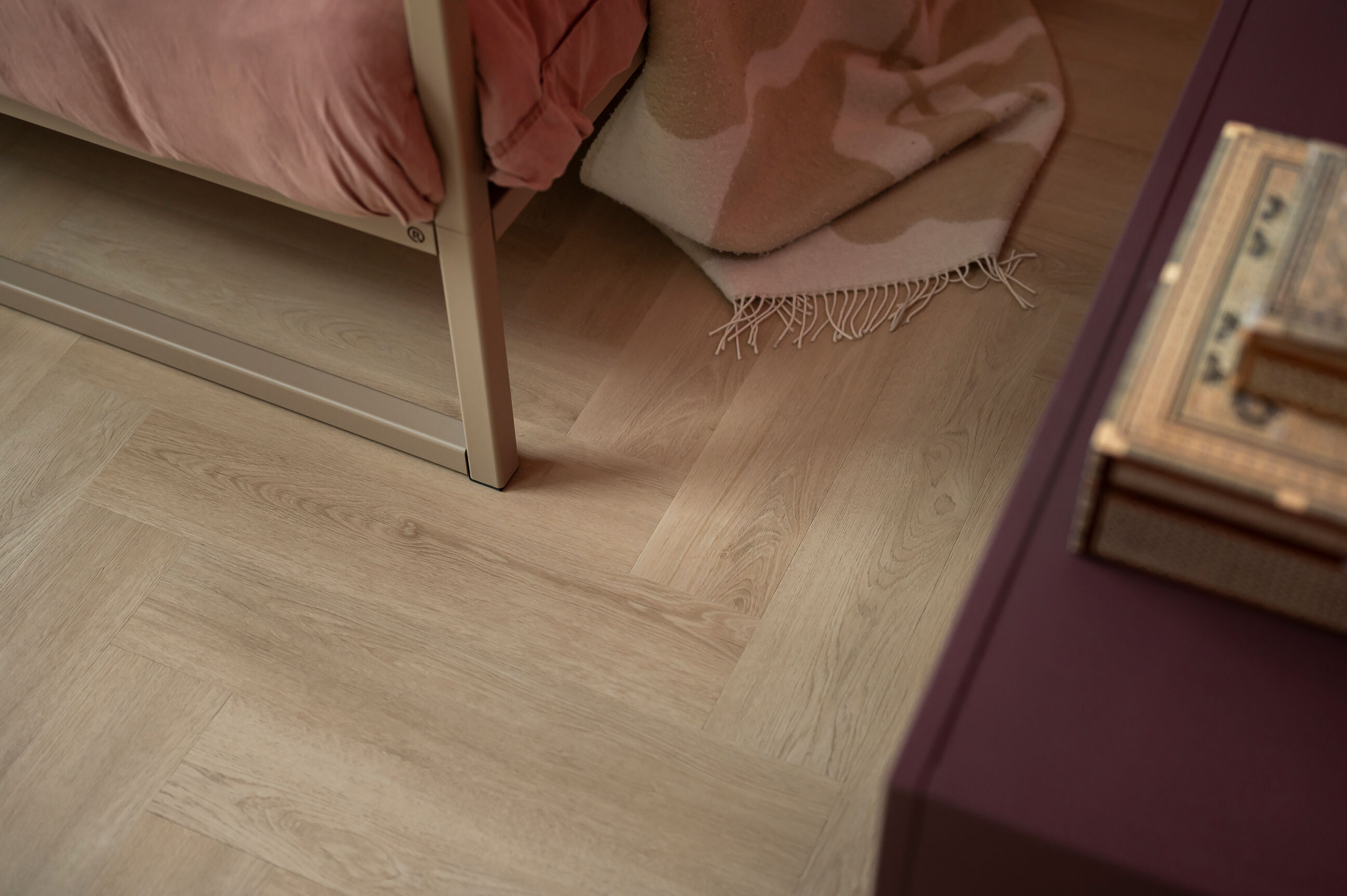
The wow factor comes from the complete picture
An interior feels complete when the flooring, furniture, colors, and materials all work together. The floor does not have to be the focal point. Instead, it should enhance everything around it.
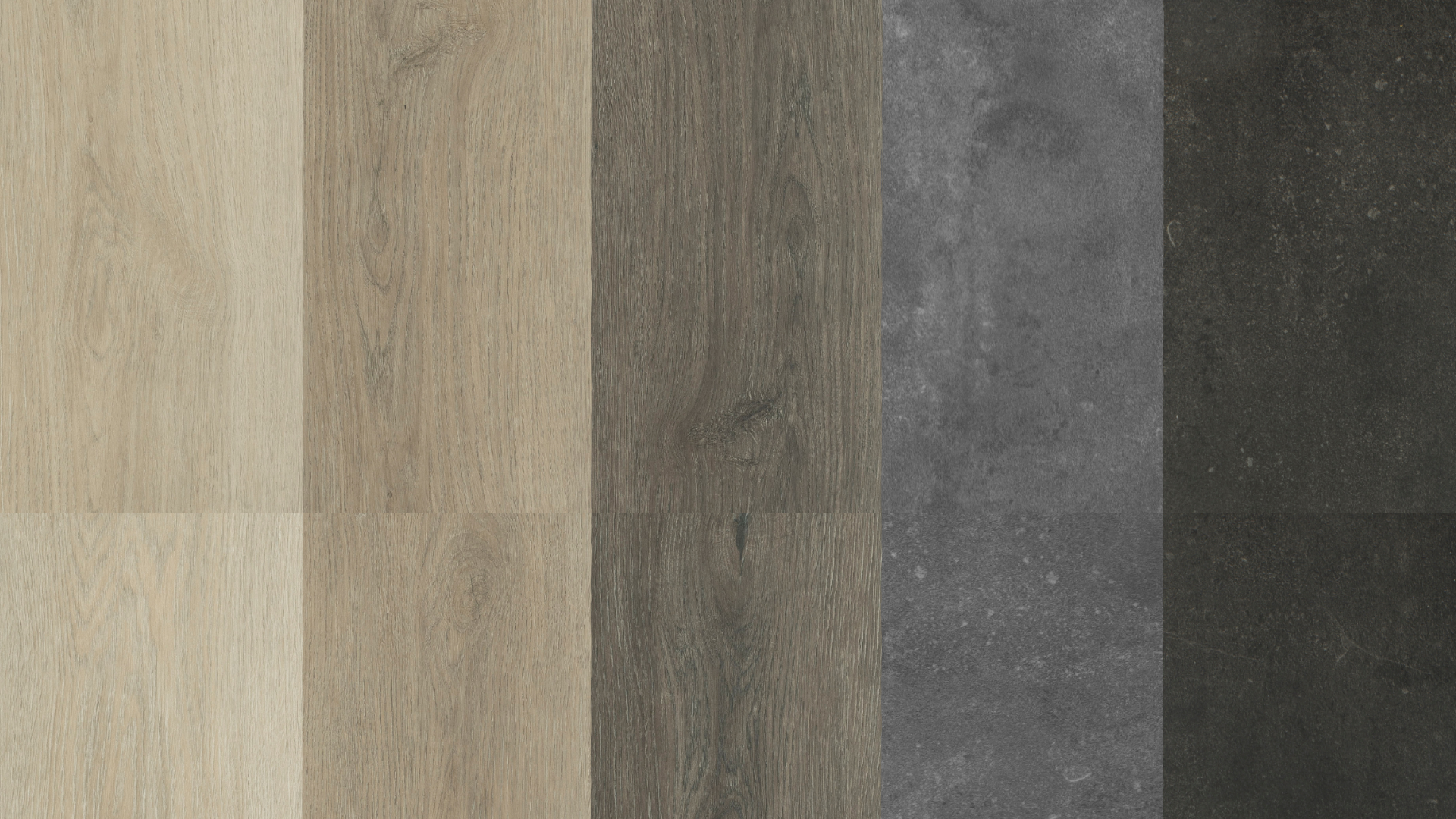
It can do that in different ways. A warm wood look softens a bright space. A subtle concrete look allows the furniture to take center stage. A matte finish creates a softer, more balanced look by reducing glare. A realistic texture adds depth and character to the floor.
A great floor does not have to demand attention to make an impact. By quietly tying the room together, it makes the entire space feel more cohesive.